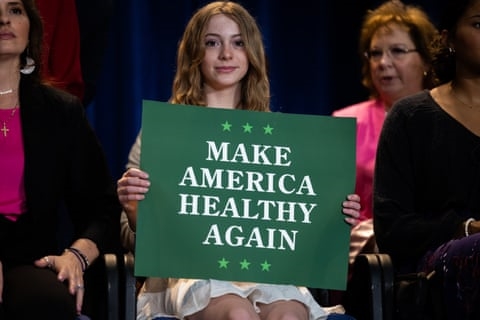
A significant legislative effort that would have stripped states of their authority to regulate toxic ingredients in food has been derailed following intense public pressure. The proposal, which was embedded in a broader food labeling bill, faced a bipartisan backlash from public health advocates and state lawmakers.
The defeated provision sought to establish federal preemption, nullifying existing state laws that mandate clear labeling of harmful chemicals in food products. Critics argued this was a direct attempt to override stronger local protections, often enacted in response to consumer demand for greater transparency.
Advocates for the legislation framed it as a move to create uniform national standards, claiming a patchwork of state laws is burdensome for businesses and confusing for shoppers. However, opponents countered that federal food safety regulations have historically lagged behind, making state-level action a critical line of defense for public health.
“The food industry has dominated the conversation in Washington for decades,” said one prominent consumer advocate involved in the effort. “This shows that when people organize, they can be heard. It’s about putting the health of families ahead of corporate balance sheets.”
The push for the preemption language was backed by an industry-aligned group presenting itself as part of a broader consumer health movement. This characterization was sharply rejected by genuine activists within that movement, who labeled the group a “front organization” acting on behalf of major food corporations.
The controversy highlights a wider political battle over states’ rights to protect citizens from hazardous substances. Similar efforts to preempt state laws concerning pesticides, industrial chemicals, and animal welfare are currently underway in Congress.
In recent years, numerous states have moved aggressively to ban or restrict substances like certain preservatives, plastics, and synthetic dyes in food and packaging. These local actions often force nationwide changes by manufacturers, making them a primary target for industry lobbying.
The broader bill containing the now-removed provision remains under consideration. It includes other measures, such as attempting to close a regulatory loophole that allows food companies to self-certify new chemicals as safe. A separate, more stringent Senate proposal would require companies to proactively prove the safety of ingredients introduced through this system.
The outcome underscores a growing, cross-party consensus that in the absence of robust federal action, state laws remain an essential tool for ensuring food safety and empowering consumers.