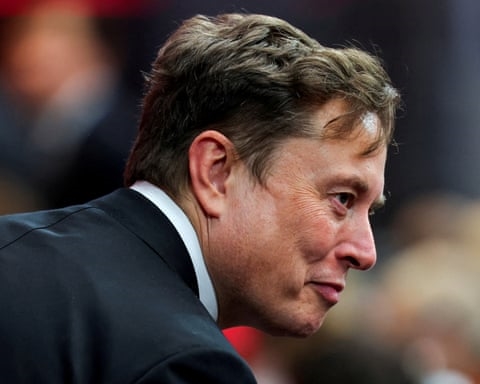
In a decisive vote, Tesla shareholders have approved a compensation package for Chief Executive Elon Musk that could ultimately be valued at approximately one trillion dollars, marking one of the most substantial corporate pay awards ever proposed. The endorsement signals continued investor confidence in Musk’s leadership as the electric vehicle manufacturer pivots toward ambitious futures in robotics and artificial intelligence.
The approval was announced during the company’s annual shareholder meeting in Austin, Texas, where the announcement was met with vocal support from attendees. Following the result, Musk took to the stage alongside prototypes of Tesla’s Optimus humanoid robots, which he characterized as the cornerstone of the company’s—and potentially humanity’s—future.
“This will be the most significant product in history,” Musk stated, outlining a vision where the robots could serve in diverse roles, from healthcare to public safety. He suggested such technology could even reshape societal institutions, humorously remarking that an Optimus unit could “follow you around and stop you from doing crime.”
The monumental pay package is structured around a series of aggressive performance milestones over the coming decade. To fully realize the award, Musk must guide Tesla to a market valuation of $8.5 trillion, a figure nearly eight times its current worth. Additional requirements include the delivery of 20 million electric vehicles, the commercial deployment of one million “robotaxis,” the sale of one million Optimus units, and achieving $400 billion in actual earnings over four consecutive quarters.
This new plan also seeks to consolidate Musk’s ownership stake in Tesla to roughly 25%, granting him increased voting control. He has previously linked this desire for greater influence directly to steering the company’s expansion into advanced robotics.
The shareholder vote also served to reaffirm a separate, previously invalidated 2018 compensation award worth an estimated $56 billion. That package had been struck down twice by a Delaware court, which raised concerns about the board’s approval process and Musk’s disproportionate influence. In response to the initial legal setback, Musk relocated Tesla’s corporate domicile from Delaware to Texas.
While the package passed with over 75% support, it faced notable opposition from some investors and governance advocates. Critics argue that such an extraordinary grant further concentrates power in a single, often unpredictable, leader and overlooks recent operational challenges, including declining quarterly earnings and heightened regulatory scrutiny over vehicle safety.
If Musk successfully achieves all stipulated targets, the payout would not only be unprecedented in corporate history but could also position him to become the world’s first trillionaire. The company’s current trajectory, however, suggests the path to these goals remains exceptionally steep, with Tesla reporting a 9% year-over-year decline in earnings for the last quarter.