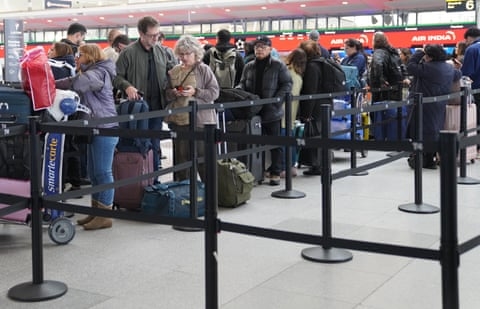
The Federal Aviation Administration is preparing to impose significant reductions in air traffic at approximately 40 major U.S. airports. The move, expected to be detailed in an official list, is a direct response to safety concerns stemming from the ongoing federal government shutdown, which has now stretched into its fifth week.
The operational cuts are projected to begin this Friday, initially reducing flights by 4% and potentially escalating to 10%. The reductions are slated to affect schedules between 6 a.m. and 10 p.m. at key hubs, including those serving Atlanta, Boston, Chicago, Los Angeles, Miami, New York, Phoenix, and San Francisco. Aviation analysts estimate the action could lead to the cancellation of nearly 1,800 flights, impacting over a quarter of a million passenger seats.
The timing intensifies pressure on lawmakers, as these disruptions arrive just two weeks before the Thanksgiving holiday, traditionally the year’s peak travel period. The shutdown has left thousands of air traffic controllers working without pay since October 1st. Many are facing mandatory overtime, and some have reportedly sought secondary employment to make ends meet.
Transportation officials have warned that the system is under severe strain. They cite critical staffing shortages, with nearly 3,000 controller positions unfilled and over 11,000 essential personnel working without wages. The head of the FAA stated that these unprecedented measures are solely intended to preserve safety margins, acknowledging the aviation system is in uncharted territory due to the protracted budget impasse.
Industry leaders have expressed grave concern, stating that the political standoff is forcing drastic operational decisions that undermine traveler confidence and threaten widespread chaos. Data indicates a sharp rise in air traffic control facilities reporting potential staffing shortages since the shutdown began, far exceeding typical weekend averages.
Without a resolution to fund the government, officials warn that the situation will deteriorate rapidly, especially if controllers miss a second consecutive paycheck next week. The prospect of mass delays, cancellations, and even partial closures of the national airspace is now a central point in the debate to end the shutdown.