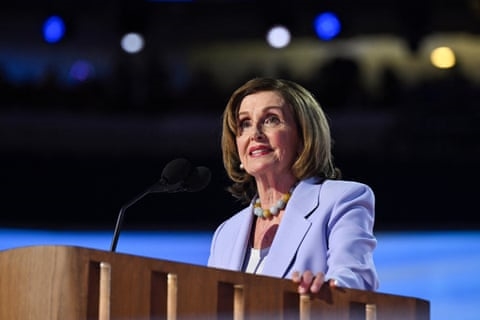
After more than three decades of service, Representative Nancy Pelosi of California has declared she will not seek re-election, bringing to a close one of the most formidable and lengthy careers in modern American politics. The announcement, made via a video statement, concludes a 20-term tenure that saw her become the first woman to hold the office of Speaker of the House.
Pelosi, who stepped down from her party’s top leadership role two years ago, has remained a central and influential figure within the Democratic Party. Her career was marked by pivotal legislative battles, from the passage of the Affordable Care Act to recent major climate and infrastructure bills. In her statement, she emphasized the enduring honor of representing her San Francisco district, a role she called the greatest of her career.
Her decision arrives amid a broader period of transition for the Democratic Party, which has been grappling with questions of generational change. Several other long-serving House Democrats have recently announced retirements, and a number of incumbents face primary challenges from younger candidates. Pelosi’s own departure from leadership in 2022 was framed as a step to allow new voices to emerge.
The open seat in San Francisco’s solidly Democratic district is expected to trigger a competitive primary. At least two prominent candidates have already entered the race, including a former tech executive and a state senator, both of whom had signaled their intentions to run upon Pelosi’s retirement.
Pelosi’s path to power was unconventional. A mother of five who entered politics later in life, she won a special election at age 47 and rapidly ascended through the ranks, becoming renowned as a master legislative strategist and prolific fundraiser. She credited her experience raising a family with preparing her to manage a diverse and often divided congressional caucus.
Her tenure was defined by fierce partisan clashes. She was a leading critic of the Iraq War and helped rally opposition to Republican policy agendas. Her relationship with former President Donald Trump was notably adversarial, featuring televised confrontations and culminating in her presiding over his first impeachment. She also led the House’s response to the January 6th attack on the U.S. Capitol.
To supporters, she is remembered as an exceptionally effective leader who broke barriers for women in government. To critics, she became a polarizing symbol of coastal liberalism. Regardless of perspective, her retirement marks the definitive end of an era on Capitol Hill, leaving a significant void in both her party and the institution she helped shape for a generation.