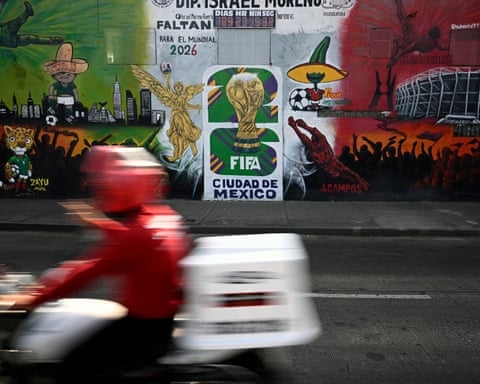
The anticipation for the 2026 FIFA World Cup in Mexico has been replaced by widespread frustration among fans, as prohibitive ticket prices and a complex sales process have left many feeling shut out of an event being hosted in their own country.
The sentiment is a stark contrast to the national euphoria that surrounded Mexico’s last hosting of the tournament in 1986. For many, that event remains a cherished memory of accessible football. Today, the experience is defined by online ballots, virtual queues, and price tags that are out of reach for the average citizen.
The figures are sobering. For the opening match at Mexico City’s iconic Azteca Stadium, standard seats are priced between approximately $1,300 and $1,800. Hospitality packages can reach $10,000. This is in a nation where the average monthly professional salary is around $416. The cost far exceeds that of attending a top-tier domestic league match, which typically ranges from $15 to $50.
The ticketing system itself has become a source of confusion and disappointment. Despite millions of applications through FIFA’s official ballots, many supporters report knowing no one who has successfully secured a seat. The process has left fans navigating what feels like an opaque and intentionally difficult system, with some speculating it is designed to push them toward a costly resale market.
This commercial reality has led to a palpable sense of anticlimax. After years of excitement about Mexico’s return to the global football stage, there is a growing feeling that the tournament has been appropriated from the public. The communal spirit of the past, where the game felt within reach, has been replaced by a digital and financial barrier.
The geopolitical climate adds another layer of unease. The tournament’s tri-national format, shared with the United States and Canada, unfolds against a backdrop of heightened tensions. Trade disputes and stringent immigration policies from the northern neighbor have created an atmosphere that contrasts sharply with the international solidarity sport aims to promote.
For now, many Mexican fans are reconciling themselves to watching from afar. The dream of witnessing history inside the stadium is, for a significant portion of the population, being deferred. The hope is shifting from securing a ticket to experiencing the tournament’s atmosphere in the streets and public spaces, as the World Cup’s global spectacle unfolds just beyond their reach.