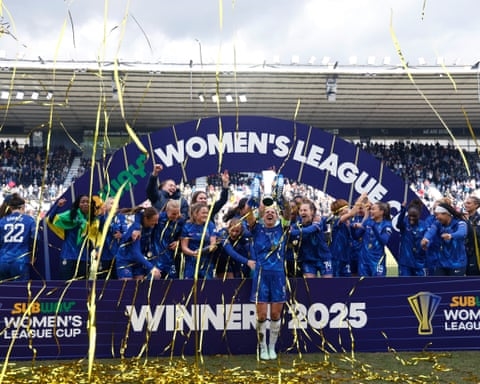
Significant changes are coming to the Women’s League Cup, with a vote set to exclude clubs participating in the Champions League from next season. This weekend’s quarter-finals, featuring the WSL’s top sides, will likely be the last of their kind under the current structure.
The competition is poised for a major revamp, moving away from a convoluted group stage format. A new Swiss-style league system is planned, with the top eight teams progressing to a knockout phase. Currently, Champions League entrants join at the quarter-final stage, a shortcut that has allowed them to win the trophy after playing just three matches.
The decision to remove Europe’s elite clubs is driven by an increasingly congested fixture calendar. Player workload has become a critical issue, with top internationals facing unprecedented demands. Recent data indicates that the most heavily used players are now regularly exceeding 50 appearances per season, raising concerns over welfare and performance sustainability.
However, the problem is not uniform across the league. While a small percentage of players face overload, a significant majority actually play fewer than 30 matches in a campaign. The League Cup change aims, in part, to provide more competitive opportunities for players at clubs with lighter schedules.
The governing body for the WSL faces a complex scheduling puzzle. The planned expansion of the top flight to 14 teams, alongside new commitments like the expanded Champions League and the incoming FIFA Champions Cup, leaves little room to maneuver. Domestic matches already constitute the bulk of a player’s season, and finding available weekends is a growing challenge.
Proponents of the calendar changes argue that international football remains a vital engine for the sport’s growth, driving revenue and visibility. They suggest the solution lies not in reducing matches, but in better squad management, improved minimum standards, and smarter distribution of playing minutes.
Yet, the League Cup reform is not without its drawbacks. Excluding the top clubs diminishes the prestige of the competition and reduces the chance for a domestic treble, potentially putting English football out of step with other major European leagues. There are also legitimate concerns about diminished broadcast appeal and sponsorship interest without the star names.
The move underscores a broader tension in the women’s game. As it experiences rapid commercial and competitive growth, the calendar is straining under the weight of new tournaments and expanded formats. The ideal scenario—a harmonized schedule that doesn’t sacrifice domestic development for international expansion—remains elusive.
For now, the sport is being forced to make difficult, imperfect choices. The League Cup overhaul is a clear sign that administrators are searching for solutions, even if they are stopgap measures, to a problem that shows no sign of abating.