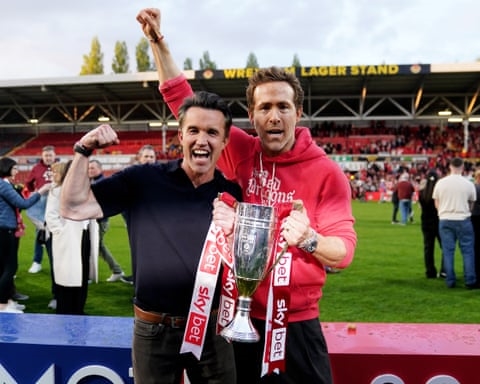
A significant public investment has been directed toward a football club with globally renowned private backers. Wrexham AFC, the Welsh club propelled to international fame under the ownership of Hollywood figures Ryan Reynolds and Rob McElhenney, has been awarded approximately £18 million in non-repayable grants from the Welsh government.
The funding, administered through the local council, is designated for stadium redevelopment, specifically a new Kop stand and general upgrades at the Racecourse Ground. Officials state the project aims to elevate the venue to meet international standards, enabling it to host matches for the Welsh national team and other major events, which is expected to stimulate the local economy through job creation and increased tourism.
This substantial grant places Wrexham far ahead of other British football clubs in terms of direct government aid disclosed in recent records. For context, other clubs listed have received sums ranging from £400,000 to £2 million.
The investment arrives at a time when the club’s commercial and sporting profile has surged. Bolstered by the global spotlight from the documentary series “Welcome to Wrexham” and high-profile sponsorship deals, the club’s turnover has seen dramatic growth. However, the decision to allocate public funds to a privately owned enterprise valued in the hundreds of millions has prompted scrutiny.
Financial observers have questioned the rationale, noting that the wealthy ownership group will reap the long-term benefits of the improved infrastructure, while the taxpayer will not see a direct financial return on the grant. Critics contrast this expenditure with broader public budget pressures, including reported funding shortfalls in local services.
In defense of the allocation, council representatives emphasized that the money came exclusively from specific Welsh government grants, not local service budgets. They framed the stadium as a vital cultural asset and argued that the redevelopment, which includes commitments to host community sports events and concerts, would deliver wide social and economic benefits to North Wales.
The Welsh government characterized its investment as essential to bridging the gap between meeting domestic league requirements and achieving the higher standard needed for international fixtures, securing the future of a historic sporting venue.