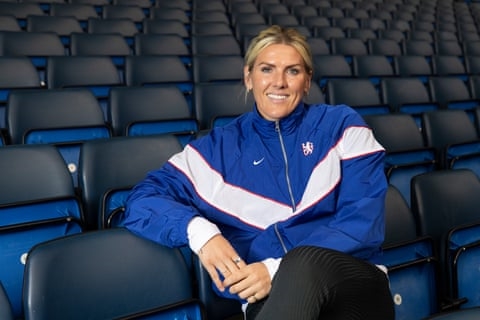
For elite athletes, life often exists within the strict confines of training, matches, and recovery. Yet for one of the game’s top defenders, true purpose is found far beyond the touchline. It’s discovered in the quiet, often overlooked spaces of community and connection.
The player, a cornerstone of her club’s defense, speaks with conviction about a commitment that transcends her sporting career. “This is forever,” she states. “It gives me purpose. It gives me life outside of football and will give me life after it.” This enduring drive fuels her extensive off-field work, most recently through a club initiative focused on a pressing seasonal issue: winter loneliness.
The campaign, launching at upcoming fixtures, will establish collection points for warm clothing and gifts, aiming to provide tangible support during the colder months. The defender’s advocacy is deeply personal, rooted in a hard-won understanding of her own wellbeing. Earlier this year, she made the difficult decision to step back from international duty, citing a need to prioritize her mental and physical health. That period of reflection, she says, was transformative.
“Taking that time allows you to develop a clearer mindset,” she explains. “Everything was there before, but it was jumbled. Hitting the reset button allows you to align things. I feel clearer than ever now.” This renewed clarity directly fuels her charitable efforts, which include roles with her club’s foundation and mental health organizations. For her, this work is a privilege, not an obligation.
“Sometimes, as players, we forget the power we have and the good we can spread,” she reflects. “We’re in this world of play, game, game, game. But we’re in a very privileged position. I don’t see this as something I have to do. I want to do it.”
The choice to tackle loneliness is a deliberate one. Statistics paint a stark picture, with hundreds of thousands in major cities reporting chronic loneliness, a feeling that intensifies during the festive season. “Everyone thinks of the adverts with families in a warm home,” she notes. “For many, it’s the opposite. It’s cold, it’s miserable, it’s waking up feeling like no one cares. How can you feel lonely in a world of billions of people?”
Her perspective is shaped by the essence of team sport—the profound, if sometimes temporary, bonds formed with teammates. “I could build a connection with a player for just a season, and I’d run through anything for them,” she says. “You don’t have to be best friends to find a way to make someone’s life better.” She channels the advice of a former teammate: “If you could choose to be positive and get another 2% out of someone, why would you choose any other option?”
This philosophy of connection extends to her immediate challenge on the pitch: a highly anticipated European clash. Her team faces a familiar and formidable opponent, a side that has ended their continental dreams in recent seasons. “There’s always unfinished business in football,” she admits with a competitive glint. “Everyone shies away from saying it, but there is.”
The European title remains the glaring omission from her club’s trophy cabinet. “We all know there’s one thing missing for us,” she says, believing the squad is now primed for the challenge. She anticipates a fiercely contested match and underscores the vital role of the supporters. “The crowd can give you a boost of adrenaline, an injection of energy. They can literally be the difference.”
For this athlete, the parallels are clear. Whether it’s a crucial tackle in a packed stadium or a simple act of kindness that brightens a stranger’s winter, the core principle is the same: the power of making a connection. As she puts it simply, “If you can make someone’s life better, why would you not?”