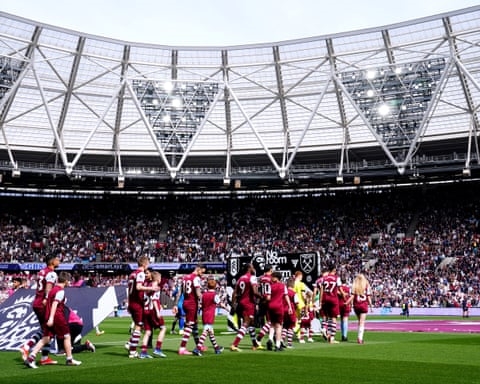
For generations of young football fans, the ultimate fantasy has been to lead their heroes onto the pitch as a matchday mascot. It’s a moment that creates lifelong memories. But for many families today, that dream carries a significant price tag, as clubs increasingly turn the cherished tradition into a revenue stream.
While several top-tier clubs, including Manchester United, Liverpool, and Arsenal, maintain policies of offering mascot opportunities free of charge or at reduced rates—often prioritizing children facing serious illness or fundraising for community causes—others have implemented substantial fees. The cost of this experience varies dramatically across the league.
At some clubs, packages can run into thousands. Nottingham Forest, for instance, reportedly offers a premium mascot package starting at £2,000, which includes a meal in an executive suite for the child and three guests. A source close to the club indicated this season’s allocations are already fully booked. Similarly, at West Ham United, with up to 22 mascots per match paying £375 each for high-profile fixtures, the potential seasonal income from this initiative alone can surpass £125,000.
Financial analysts observe this trend as part of a broader commercial strategy. “Clubs are under pressure to monetize every aspect of the fan experience,” notes one industry expert. “The mascot program is no longer just about community spirit; it’s seen as a viable income source. With multiple children participating per game, the sums quickly add up.”
The practice has drawn criticism from observers and politicians alike, who argue it risks excluding families without significant disposable income. “When clubs receive billions in broadcast revenue, charging exorbitant fees for a child’s dream feels like pure profiteering,” commented one MP. “It alienates the very community roots the sport claims to cherish.”
Even in the lower divisions, the tradition comes at a cost. Barnsley, for example, charges nearly £200 for a basic mascot package for a League One fixture, with the required official kit costing extra.
Despite the debate, demand appears robust, suggesting many parents are willing to pay for the unique experience. As one commentator wryly noted, the romantic ideal of football may have faded in the face of modern commerce, but the allure for young fans remains powerful—even when it comes with a hefty invoice.