In the world of sports, some stories transcend the game itself. They are not merely about wins and losses, but about the human spirit, resilience, and the quiet dignity found in the most unexpected places. One such tale is that of a tiny island territory’s soccer team, a group of players who transformed from a global punchline into a symbol of hope.
The story begins with a record that seems almost fictional: a 31-0 defeat, the most lopsided loss in international soccer history. For years, this result defined the American Samoa national team, a shadow that followed them everywhere. They were anchored at the very bottom of the world rankings, a team that had never won a single official match.
The film documenting their journey is far more than a sports documentary. It is a portrait of a community. On the island, soccer must compete with more pressing realities—multiple jobs, deep religious commitments, and the fact that many young men leave to serve in the U.S. military. Training sessions unfold against a backdrop of stunning mountains, with shots sailing wildly off target, as if the goal itself were cursed.
Change arrives in the form of a new coach, a seasoned professional from abroad seeking a fresh start for personal reasons. His initial approach is all business, but the island’s culture—profoundly accepting, loyal, and communal—soon softens his edges. He doesn’t just coach a team; he becomes part of a family.
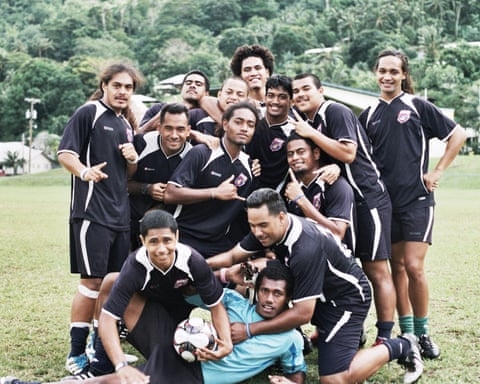
The squad is a collection of unique individuals. There’s the goalkeeper who carries the weight of that historic defeat, a new player qualifying through a grandparent, and a prolific scorer constantly mistaken for someone else off the field. Among them is a trailblazing athlete, a fa’afafine—part of Samoa’s recognized third gender—who becomes the first transgender player to compete in a World Cup qualifier. Her presence on the pitch, marked by fierce tackles and unwavering courage, challenges narrow definitions of strength and masculinity. The film presents a version of manhood that is both fierce and tender, capable of a traditional war dance and open tears.
The goal, when it finally comes, is more than a point on a scoreboard. It is a catharsis, a release of decades of frustration. The first victory that follows feels like a miracle. The celebration is pure, unadulterated joy.
Of course, this isn’t a fairy tale that ends with a World Cup trophy. The team’s ultimate qualification campaign fell short. But their success was measured differently: in risen FIFA rankings, in restored pride, and in proving that progress is measured in steps, not just leaps. A coach’s early consolation after yet another loss—“They needed nine, you gave them only eight. It’s a step.”—encapsulates the entire journey.
This film is a masterclass in respectful storytelling. It never mocks or condescends. Instead, it observes with compassion and humor, finding the universal in the specific. It reminds us that sometimes the greatest victories have nothing to do with the final score, but everything to do with the spirit of those who dare to try again.