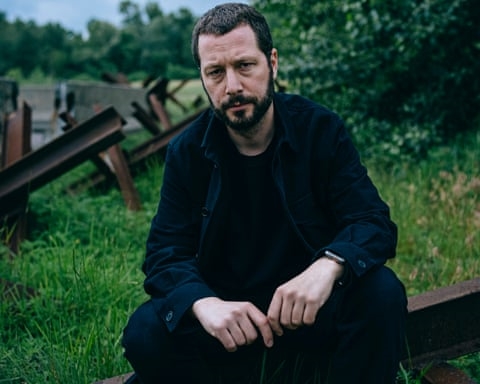
The contrast could not be starker. One moment, a filmmaker is navigating the red carpets and Q&A sessions of the international awards circuit. The next, he is in a muddy trench on the frontlines of a brutal war. This is the reality that shaped the creation of a new documentary, a film that seeks to bridge the immense distance between those two worlds.
For the director, returning to the battlefield was not a choice born of professional obligation, but a personal necessity. Emerging from the devastation of one besieged city, only to witness further atrocities elsewhere, created a profound sense of helplessness. While editing a previous film about Ukrainian suffering, he felt compelled to find a different story—one not of victimhood, but of agency, strength, and resistance. He wanted to show a nation pushing back.
The dissonance of that period was extreme. As his earlier film entered theatrical release, placing him in peaceful cities across Europe and North America, the war at home intensified. The journey back was a jarring descent: from a comfortable auditorium to a border crossing, through multiple modes of transport, and finally into a foxhole that felt like a different century. The new film naturally evolved into an exploration of these distances—not just the physical space between opposing trenches, but the chasm between a continent at peace and a nation fighting for its survival, and even the gap within Ukrainian society itself.
That internal distance, however, may be narrowing under the pressure of conflict. There is a growing sentiment among Ukrainians, both soldiers and civilians enduring relentless bombardment, of being abandoned by the wider world. This shared distress, the director observes, has a unifying effect. Contrary to what the aggressor may believe, the escalation of violence against cities does not fracture national resolve; it often strengthens the bonds between the public, its military, and its leadership.
The film’s reception at home has been a powerful testament to this. Tens of thousands have attended screenings during wartime, drawn to its unflinching realism. The documentary serves as a crucial memorial, acknowledging the immense sacrifice at a time when international discourse frequently suggests conceding territory for peace. For domestic audiences, it is about preserving the memory of those who fought for every meter. For international viewers, the director hopes it conveys a critical distinction: while the concept of war is a futile and terrible human failure, the act of self-defense is not.
Finding hope in such circumstances is a complex endeavor. The filmmaker admits he entered the project—set entirely within a scarred forest—with a sense of despair. He found his answer in the people he met. He witnessed destroyed trees beginning to grow back. He saw soldiers, fully aware of the peril, continuing to defend their homes and families. Their resilience, their unwavering commitment in the face of potential loss, became the source of hope. It is a hope rooted not in a neatly packaged happy ending, but in the stubborn, enduring will to remain.