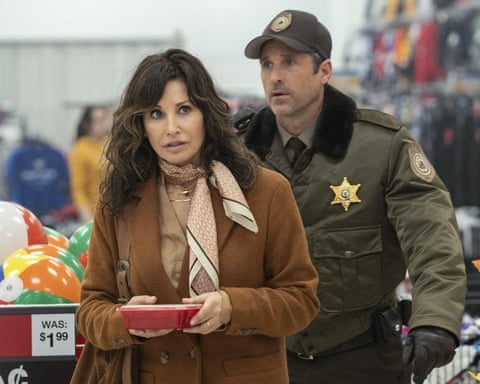
To fully appreciate many modern films, audiences are asked to suspend more than just disbelief—they must often ignore basic arithmetic. A recent holiday release serves as a prime example, featuring a storyline centered on adult siblings grappling with a family tragedy. While the emotional core is relatable, a glance at the cast’s real-life ages reveals a curious narrative choice: the actors playing the parents are, in some cases, scarcely older than their on-screen children.
This phenomenon is far from isolated. In recent major productions, acclaimed actresses in their late fifties portray mothers of very young children, with the script offering no acknowledgment of the statistical rarity of such late-life pregnancies. Another high-profile horror film from the previous year presented a pregnancy for a character played by a sixty-one-year-old actress, a plot point so extraordinary it arguably would define the character, yet it passes without remark.
The reasons behind this trend are speculative. In some cases, it may reflect a desire to nod to real-world trends of later parenthood, however exaggerated. In others, it likely stems from the practical allure of casting beloved, award-winning performers, with filmmakers deciding that star power outweighs chronological precision.
However, this modern practice also inadvertently highlights a long-standing, and arguably stranger, Hollywood tradition. The history of cinema is filled with far more extreme examples where the age gaps between actors playing parent and child were implausibly narrow. Iconic films from decades past feature “mothers” who, based on the actors’ ages, would have had to give birth when they themselves were small children. Compared to these historic head-scratchers, today’s age fudging seems almost reasonable.
Ultimately, this consistent disregard for biological timelines reveals a simple industry truth: narrative convenience and casting appeal frequently triumph over realistic demography. The audience’s role is to simply not do the math.