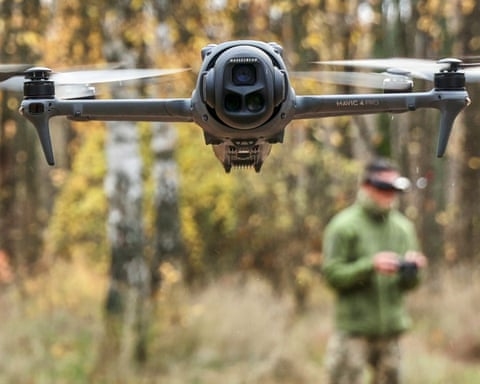
A digital reward program, likened to a competitive gaming platform, has seen widespread adoption within the Ukrainian military. The initiative grants soldiers points for successful combat actions, which can be redeemed for additional equipment through a dedicated online procurement portal.
Reports indicate the system, which began over a year ago, has expanded rapidly. Officials state that participating drone units accounted for significant enemy casualties in a single month, with the number of units involved growing substantially. The program features a public leaderboard ranking the most effective teams.
The framework operates as a closed-loop ecosystem: successful strikes earn points used to acquire more drones and specialized gear, theoretically increasing a unit’s future combat effectiveness. Authorities describe it as a pragmatic tool for enhancing battlefield efficiency and data collection, providing detailed metrics on strike effectiveness, weapon performance, and tactical trends.
The scoring model is dynamic, with point values adjusted to reflect strategic priorities. For instance, rewards for eliminating infantry have increased, while capturing enemy personnel yields a high point value, underscoring the tactical importance of prisoner exchanges.
The concept is now being extended beyond drone units. Artillery crews earn points for confirmed hits, reconnaissance teams are rewarded for identifying targets—a process informally called “Uber targeting”—and logistics units gain points for employing autonomous supply vehicles.
While framed as a technical tool for optimization, the system’s expansion coincides with broader debates on the future of warfare. Some Western analysts caution against over-reliance on drone-centric tactics, noting the rapid evolution of enemy countermeasures and advocating for continued investment in traditional combined arms capabilities.
On the ground, commanders emphasize that the point system serves operational discipline rather than gamification. Primary objectives and battle tasks always take precedence over point accumulation. The competitive aspect is described as fostering peer-to-peer learning and innovation, with top-performing units sharing tactics with others.
The program provides command staff with unprecedented data granularity, from the types of targets destroyed to the specific equipment used. This data-driven approach, officials contend, is refining the military’s understanding of combat dynamics and resource allocation in the ongoing conflict.