The recent Boxing Day Test in Melbourne, which concluded in just two days, has reignited discussions about the unusual brevity of some cricket matches. Historically, such rapid finishes are exceptionally rare, accounting for roughly one percent of all Tests ever played. Yet, the current Ashes series has now produced two of these abbreviated contests, adding to another that occurred in Australia just a few years prior. This recent cluster prompts a closer look at the historical circumstances that have led to these swift conclusions, particularly in matches between England and Australia.
While nine two-day Tests occurred in the sport’s early, less standardized days of the 1800s, and several more involved developing nations in the 20th century, a significant modern pattern involves extreme pitch conditions. Examples include matches in Ahmedabad, Brisbane, and Cape Town, where the surface heavily favored bowlers from the outset. Notably, the recent Ashes pitches have been considered of better quality than those, making the swift results all the more striking.
Focusing on the historic rivalry, eight of the 27 two-day Tests in history have been between England and Australia. The most famous of the early encounters is the 1882 match at The Oval, a contest that famously birthed the Ashes legend. In a dramatic finish, Australia’s Fred Spofforth, incensed by a controversial run-out, took seven wickets in each innings to secure a narrow seven-run victory, inspiring the symbolic obituary for English cricket.
The 1888 series between the sides was itself a succession of short matches, with rain-affected pitches at Lord’s and The Oval succumbing to a dominant group of bowlers from both teams, including statistical greats like George Lohmann and Charlie Turner. Australia’s heavy schedule of first-class matches that summer may have even led to over-preparation.
Another tight two-day affair followed at The Oval in 1890. Again on a rain-damaged pitch, bowlers dominated, with 22 wickets falling on the first day. England, chasing a modest target, suffered a late collapse before scrambling to a two-wicket victory, narrowly avoiding a repeat of Spofforth’s heroics.
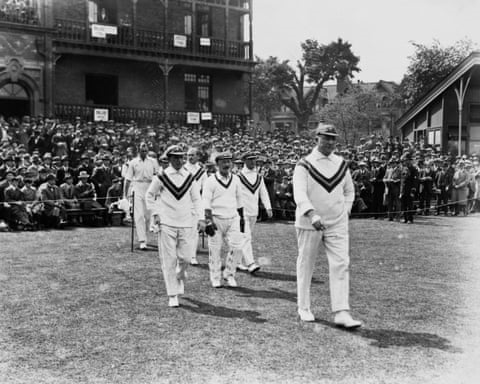
A significant tactical shift produced the next two-day Ashes Test in 1921 at Trent Bridge. Australian captain Warwick Armstrong fully unleashed the new-ball pairing of fast bowlers Jack Gregory and Ted McDonald. Their sustained pace attack, a departure from the era’s norm of using spin early, proved devastating. They shared 16 wickets in the match, wrapping up a comprehensive victory and cementing the fast-bowling opening partnership as a potent strategic weapon.
These historical episodes demonstrate that while two-day Tests are statistical anomalies, they often arise from a confluence of specific factors: inspired individual performances, tactical innovation, challenging weather, and, at times, simply exceptional bowling on surfaces offering assistance. Their rarity is what makes each instance a memorable chapter in the long narrative of the game.