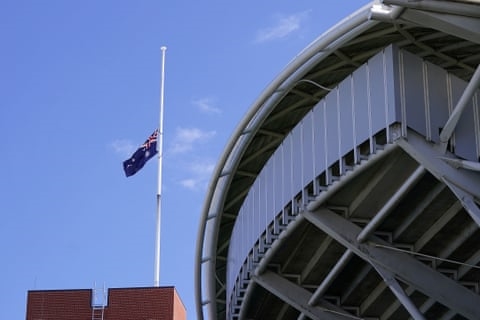
The upcoming Ashes Test in Adelaide will unfold against a backdrop of national grief and heightened alert, following the devastating attack in Sydney. While authorities have stated there is no direct, active threat linking the violence to South Australia, the event’s security protocols have been significantly reinforced. Spectators should anticipate extended entry procedures, and a specialized armed security unit will be deployed around the venue. A formal tribute to the victims is expected to precede the start of play.
In the days since the tragedy, the national mood has been one of profound shock. Initial discussions about postponing the match have given way to a determination to proceed, with police emphasizing the Sydney attack is being treated as a distinct incident. Yet, the emotional and societal connections are undeniable. In Adelaide, a local Holocaust education centre briefly became a focal point for public mourning, receiving visits from political leaders and pledges of increased support, before receding into its usual quiet.
The centre’s recent history, however, tells a broader story. Its facade bears marks from repeated cleanings following antisemitic vandalism, a visible symptom of rising tensions. This mirrors a national trend, with reported antisemitic incidents having surged dramatically in recent years, including arson attacks on Jewish businesses and institutions. Australia, with its historically significant Jewish community including many Holocaust survivors, is experiencing with particular intensity the global reverberations of conflict abroad.
Simultaneously, the country’s substantial Muslim community has voiced deep concern over the humanitarian crisis in Gaza. These parallel, deeply felt grievances have created a complex and fraught social landscape, one that erupted into unprecedented violence at a location synonymous with Australian leisure and openness.
Now, sport must navigate this altered terrain. The cricket, a cherished summer tradition, will continue but cannot escape the context. Even team selection has sparked divisive online commentary, targeting players for their past statements on international issues. The match will proceed as both a sporting contest and a very public event, its broadcast serving as a window to a world grappling with grief and conflict. For many Australians, the nation feels fundamentally changed, a sentiment that will linger long after the final ball is bowled in Adelaide and Sydney.