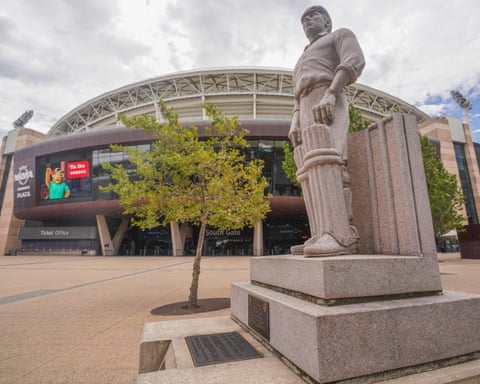
As the eyes of the cricketing world turn to Adelaide for the latest Ashes battle, the ground’s storied past offers more than just a backdrop. Its history is woven with threads of the bizarre, the record-breaking, and the personal—tales that echo long after the last ball is bowled.
Long before the modern stands cast their shadows, the Oval presented a spectacle of a different kind. In the late 19th century, a colossal wooden structure dominated one side of the field: a fully operational rollercoaster. Erected in 1888, this gravity-powered “switchback railway” sent carriages hurtling down steep drops and up opposing slopes, thrilling thousands. It became a fixture for decades, a symbol of public revelry, until its timbers were finally sacrificed to a patriotic bonfire during the First World War. The echo of that forgotten amusement park joy seems to linger in the very air of the venue.
The pitch itself has been a stage for miraculous recoveries. In 1908, with Australia’s Ashes hopes hanging by a thread, two unlikely saviours emerged. Clem Hill, batting at number nine, was severely ill, battling influenza between deliveries. His partner, debutant Roger Hartigan, had secured leave from his day job via a rushed telegram. From a precarious position, the pair staged an astonishing counter-attack against England’s formidable attack, adding 243 runs for the eighth wicket. Hartigan’s debut century and Hill’s gritty 160 turned the Test, and their partnership record stands unbroken to this day, a monument to resilience forged in crisis.
Perhaps the most compelling narratives, however, are those of personal vindication. The legendary Don Bradman’s relationship with teammate Clarrie Grimmett, a master leg-spinner, grew famously strained after Bradman oversaw Grimmett’s removal from the national side. Grimmett, nursing his pride, later found himself coaching a young Indian batsman, Vijay Hazare, on a princely estate. A decade later, their paths reconverged dramatically at Adelaide Oval. In 1947, with Bradman leading Australia and Grimmett watching from the stands, Hazare announced himself to the world. He crafted a century in each innings against a fearsome pace attack, becoming the first Indian to achieve the feat. As Hazare defied Bradman’s bowlers for days, Grimmett’s celebration from the crowd was a silent, triumphant salute. His protégé had delivered a masterclass on the very ground that had seen his own rejection, offering a poetic and lasting reply.