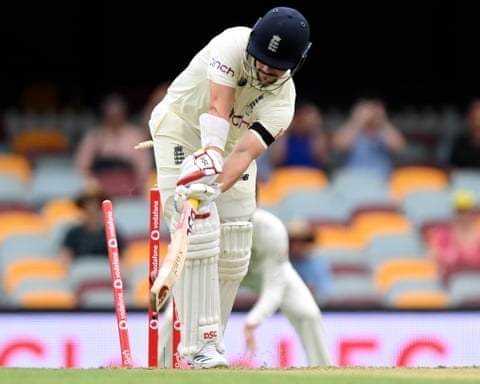
The first delivery of an Ashes series carries a weight far beyond its few seconds of flight. It is both a conclusion and a commencement. The frenetic speculation and pre-match analysis that build for months are abruptly silenced as leather meets willow, or stump. In that instant, the hypothetical is replaced by the tangible, and the long-anticipated contest truly begins.
Increasingly, this initial ball is viewed as more than just a start. It is scrutinized as a potential omen, a fleeting glimpse into the narrative of the five-Test battle to come. A boundary or a wicket is often retrospectively framed as a prophetic moment, setting a tone that commentators and historians will reference long after the final session.
Consider the contrasting images from recent memory. There was the confident drive that raced to the boundary, instantly emblematic of a team’s aggressive intent. Then there was the immediate, chaotic dismissal—the batter stumbling, the stumps shattered—that seemed to foreshadow a campaign of struggle and disarray. These moments become indelible, woven into the series’ lore before the first day is even done.
History offers its own examples. Decades ago, a ferocious opening delivery led to a reckless shot and a simple catch, a start so chaotic it was later seen as a harbinger of a team’s ultimate unraveling. Yet, for every opening ball that appears fateful, there are countless others—a calm leave, a quiet defensive block—that fade into the background, proving that no single delivery can dictate a two-month war of attrition.
The focus inevitably returns to the present. With a new series on the horizon, the spotlight will once again fall on the bowler’s run-up and the batter’s stance. The first ball will be bowled, dissected, and debated. But its true meaning will only be written by the thousands of deliveries that follow.