A series of arrests across China has targeted senior figures within unregistered Christian communities, signaling a significant tightening of state control over religious activities operating outside officially sanctioned institutions.
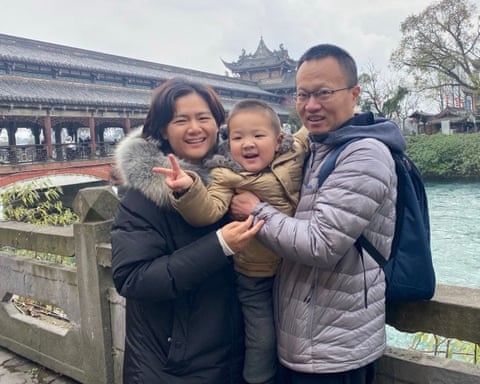
The operation, which began in October, has resulted in the detention of numerous church leaders and members. Among those detained is a prominent pastor from a major network of house churches, now held in a southern province on charges related to the “illegal use of information networks.” His wife, who left the country with their child, described the profound uncertainty facing her family, questioning the reality of their situation.
This campaign represents the most extensive action against such groups in several years and appears to be nationwide in scope. Reports indicate that over one hundred individuals were detained in a single eastern city last week following a raid. The pressure has been building for months in some regions, linked in part to disputes over displays of national symbols within places of worship.
In China, only religious activities conducted through state-approved bodies for Buddhism, Taoism, Islam, Protestantism, and Catholicism are permitted. For years, many Christians have gathered in private, unofficial settings—often called house churches—to worship. A major Beijing-based church, which had operated openly for years before being forced to close its physical premises in 2018, had since adapted by blending online sermons with small, discreet in-person meetings. The recent arrests are seen by observers as a decisive move to end such adaptive practices.
Analysts note that the regulatory environment for unofficial religious activity has been hardening for an extended period. New regulations introduced this autumn explicitly prohibit unlicensed groups from conducting religious services online. This follows broader policy directives emphasizing the alignment of religious practice with national cultural norms.
Despite the risks, participation in these unofficial congregations has reportedly grown in recent years, with some networks expanding their core membership significantly through digital outreach. The detained founder of one major church was said to have remained optimistic about its future, even anticipating his own potential arrest.
The recent enforcement actions have drawn international criticism, with calls for the release of those detained and for the protection of religious freedom. Within the country, the crackdown leaves congregants and remaining leaders facing a precarious future, navigating the difficult choice between their faith and the increasing perils of practicing it outside state-prescribed channels.