Investigators are probing a recent trip to the Philippines by the two men accused of carrying out the terror attack at Bondi Beach. Authorities confirmed that Sajid and Naveed Akram traveled to the Southeast Asian nation last month, raising urgent questions about the purpose of their journey and any potential connections to militant networks.
Official records indicate the father and son arrived in Manila on November 1 and subsequently visited Davao City on the island of Mindanao. Their activities during this period are now a focal point for international counter-terrorism efforts. The pair returned to Sydney on November 28, just weeks before the attack occurred.
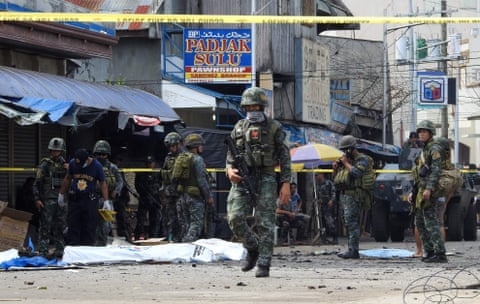
The southern Philippines, particularly Mindanao, has for years been a complex security environment. The region’s history includes conflict involving Islamist separatist movements, communist insurgents, and various armed factions. While major groups have been degraded by military and political efforts, analysts note the area’s terrain—featuring dense jungles and a vast, porous coastline—has historically provided cover for militant activity and training.
A significant turning point was the 2017 siege of Marawi City by fighters aligned with the Islamic State (IS), which lasted for months and drew international attention and foreign participants. Although government forces ultimately reclaimed the city, the event underscored the region’s role as a potential hub for extremist ideology.
Security assessments suggest that while the operational capacity of militant organizations has been severely reduced, they have not been eradicated. Groups that once dominated headlines, such as Abu Sayyaf, have seen their ranks dwindle through surrenders and military operations. Other factions, including the Bangsamoro Islamic Freedom Fighters, continue to operate at a diminished scale. The mainstream Moro Islamic Liberation Front has pursued a peace process, leading to the establishment of an autonomous region in 2019.
Remnants of IS-affiliated networks, sometimes operating under the name Daulah Islamiyah, are believed to persist in pockets of Mindanao. These fragmented cells, estimated to number in the low hundreds, are linked to sporadic attacks in recent years. In December, security forces reported the elimination of a senior leader and bomb-maker from one such group in Maguindanao del Sur.
The frequency of major terrorist incidents has declined since the peak of the Marawi crisis and the global pandemic. However, isolated attacks continue, including bombings targeting places of worship and public gatherings as recently as last year.
The Philippine government has enacted stricter anti-terrorism legislation and sustained military pressure in the south, actions officials credit with disrupting command structures and limiting the reach of remaining extremist elements. The current landscape is described by analysts as one of fragmented, low-level insurgency rather than a cohesive militant threat.
The investigation into the Akrams’ travels is ongoing, with authorities examining whether their visit was related to tourism, personal connections, or contact with any residual extremist elements in a region that remains on the global counter-terrorism radar.