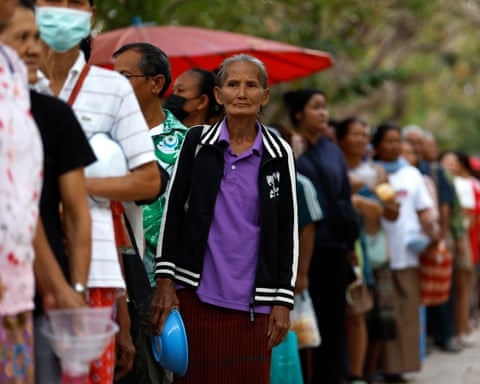
For the second time this year, residents along the Thai-Cambodian border have been forced to flee their homes as clashes between the two nations have reignited. The renewed violence casts serious doubt on the durability of a ceasefire brokered earlier this year and has left a growing population of displaced people fearful for their future.
The evacuation orders came suddenly, broadcast over village loudspeakers. Families scrambled to gather their belongings, creating long queues of traffic as they sought refuge in temporary shelters set up in temples, schools, and public buildings. The scene was a grim repeat of displacements seen during intense fighting last July.
The current ceasefire, which followed those deadly summer clashes, had been fragile from the outset, according to those living in the shadow of the conflict. Local residents reported that military forces from both sides remained in a persistent state of confrontation, making the latest outbreak of violence an anticipated, if dreaded, event.
International efforts to mediate have been led by a foreign power, whose leader has publicly expressed confidence in his ability to swiftly end the hostilities. However, this optimism is not shared in the border communities now emptying out. Many evacuees express skepticism, questioning why, if such influence existed, the fighting has resumed at all.
The human cost is mounting daily. Those displaced, often relying on daily wages for survival, now face an uncertain period without income. “I won’t be able to make ends meet,” said one evacuee, echoing a widespread anxiety about prolonged displacement and accumulating debt.
Analysts suggest the political landscape may complicate resolution efforts. With a national election on the horizon, the Thai government may feel pressure to adopt a firm stance to appeal to nationalist sentiments, potentially hindering diplomatic flexibility. Public opinion polls indicate a deep-seated skepticism among the population regarding both the neighboring nation and the motives of external mediators.
Within the shelters, opinions on the path forward are divided. Some support a decisive military response to eliminate the perceived threat, while others express profound sorrow for all affected, including soldiers and families on both sides of the border. A prevailing sense of weariness and pessimism hangs over many, with some residents believing that dialogue, regardless of the participants, has consistently failed to yield lasting peace.
As thousands wait in temporary shelters, the fundamental questions remain unanswered: when they can return home, and whether a sustainable peace is possible, or if the cycle of evacuation and return has become a permanent feature of life on this restive frontier.