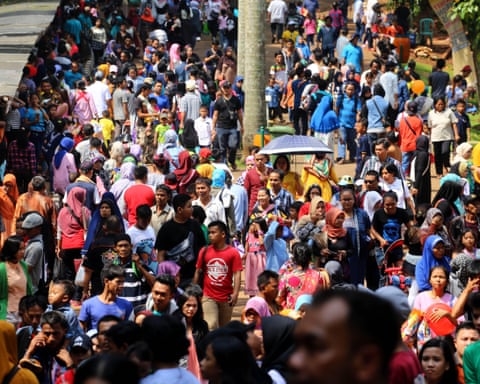
A revised United Nations assessment has placed the Indonesian capital of Jakarta at the top of the global list for urban population, surpassing the Tokyo region. This change stems from an updated methodology designed to create a more consistent and comparable definition of city boundaries worldwide.
The latest figures indicate Jakarta is home to an estimated 42 million residents. It is followed by Dhaka, Bangladesh, with 37 million. The broader Tokyo metropolitan area, which includes several neighbouring prefectures, now ranks third with a population of 33 million. This represents a significant shift from previous rankings, which consistently placed Tokyo in the lead.
UN officials explained that earlier analyses relied on national data that used inconsistent definitions of urban areas, often favouring Tokyo’s expansive administrative boundaries. The new framework applies uniform population density and geographic criteria to delineate city extents, offering a clearer picture of true urban concentration.
The report underscores the accelerating pace of global urbanisation. Since 1950, the number of city dwellers has more than doubled, now accounting for nearly half of the world’s population. This trend is set to continue, with projections suggesting two-thirds of all population growth by 2050 will occur in urban centres.
Furthermore, the number of megacities—those with over 10 million inhabitants—has surged from just eight in 1975 to 33 today. Notably, nine of the ten most populous urban areas are located in Asia.
“Urbanisation is a defining force of our time,” stated a senior UN official for economic and social affairs. “When managed strategically, it can be a powerful driver for climate action, economic development, and social progress.”
While the greater Tokyo region has seen a gradual population decline in line with national trends, the core city area has experienced growth. Data shows the population of central Tokyo’s wards has increased over the past decade, fueled in part by renewed migration of young people for employment and education following the pandemic.