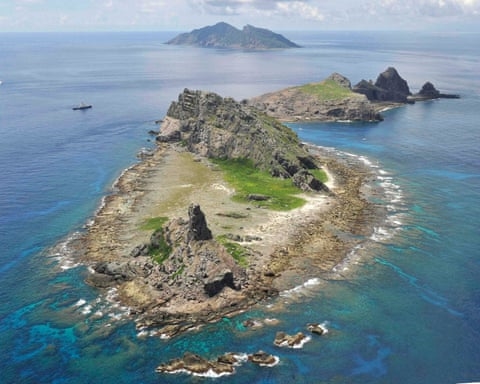
China has dispatched coast guard vessels into waters surrounding a group of islands administered by Japan, a move that significantly escalates regional tensions following recent political rhetoric concerning Taiwan.
The Chinese maritime authority confirmed a patrol within the territorial waters of the islands, known as the Senkaku in Japan and the Diaoyu in China. Beijing described the operation as a routine exercise to uphold its sovereignty claims over the area, which has long been a point of contention between the two nations.
This latest maritime activity comes on the heels of a diplomatic dispute sparked by comments from Japan’s leadership regarding a potential military response should conflict erupt over Taiwan. Beijing, which views Taiwan as an inalienable part of its territory, has reacted with sharp criticism to these statements, demanding a retraction and summoning Japan’s ambassador for talks—the first such diplomatic summons in over two years.
The situation reflects a broader pattern of heightened pressure. In recent days, Chinese authorities have issued travel and study advisories for its citizens considering Japan, citing concerns over the security environment. While not an outright ban, such guidance could impact academic and tourism exchanges. Several Chinese airlines have subsequently offered flexible ticket change policies for Japan-bound flights.
Simultaneously, military activity around Taiwan has been reported. Taiwan’s defense ministry stated it monitored numerous Chinese military aircraft and naval vessels operating near the island over a 24-hour period, including drone flights approaching outlying Japanese territory.
Analysts note that while such patrols are not uncommon, their timing amid the diplomatic row signals a deliberate show of force. Official commentary from Beijing has framed Japan’s position as dangerously provocative, warning that any intervention could draw other powers into a conflict with severe global repercussions.
Japan has historically maintained a policy of strategic ambiguity regarding Taiwan, closely aligning with its security ally, the United States. The recent explicit remarks from Tokyo represent a notable shift in public discourse, which Beijing has seized upon to reinforce its own stance on what it terms the “inevitable” goal of unification.
The standoff underscores the fragile security balance in East Asia, where longstanding territorial disputes and the unresolved status of Taiwan remain potent flashpoints capable of rapidly drawing in major global powers.