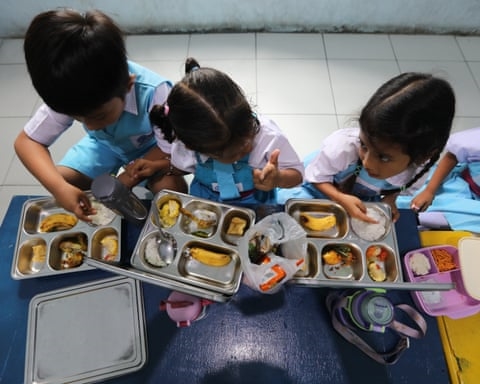
A major government initiative in Indonesia, designed to provide free daily meals to tens of millions of students and vulnerable groups, is facing intense scrutiny following widespread reports of foodborne illnesses. The program, a central policy of the current administration, aims to combat malnutrition but has been linked to thousands of poisoning cases, raising urgent questions about its oversight and implementation.
The scale of the issue became starkly clear in West Java this October, when hundreds of students, including a teenager named Nabila, fell violently ill after consuming the provided meals. Her mother described the traumatic experience of finding her daughter in critical condition, a scene echoed by healthcare workers who reported unprecedented caseloads. Since its high-profile launch earlier this year, the program has been associated with repeated outbreaks across regions including Yogyakarta, Central Java, and Sumatra.
Social media and advocacy groups have been flooded with complaints alleging serious lapses in food safety. Reports include discoveries of insect larvae in protein sources, foreign objects like glass in staple foods, and unsanitary preparation practices. An independent education monitoring network claims to have documented over 15,000 related poisoning incidents nationally.
While government nutrition officials acknowledge challenges, they cite a significantly lower official tally of confirmed cases. They attribute the problems to issues such as improper food storage, delays in distribution, and inadequate sanitation at local kitchen facilities. In response to public pressure, authorities have announced new regulatory measures focused on hygiene and have temporarily shuttered some kitchens for retraining. Officials state the program has already benefited families struggling with inflation and has improved school attendance, emphasizing their commitment to achieving “zero incidents.”
However, critics argue the response is inadequate and overdue. Public health advocates warn that the drive for rapid, massive scale has compromised safety, risking endemic bacterial contamination. Policy analysts describe the initiative as a rushed “quick win” that has backfired, noting the absence of a robust regulatory framework for a project of historic budgetary size. Concerns have also been raised about transparency and accountability, particularly with some operations linked to state security forces, which some observers suggest indicates deeper systemic issues.
For parents like Nabila’s mother, initial optimism has turned to fear. While recognizing the potential benefits for struggling households, the direct threat to children’s health has eroded trust. “We’re talking about children’s lives,” she stated, expressing a hope that no other family would endure a similar ordeal. As the government pledges expansion, the fundamental challenge remains: ensuring that a well-intentioned national mission does not come at the cost of its youngest citizens’ safety.