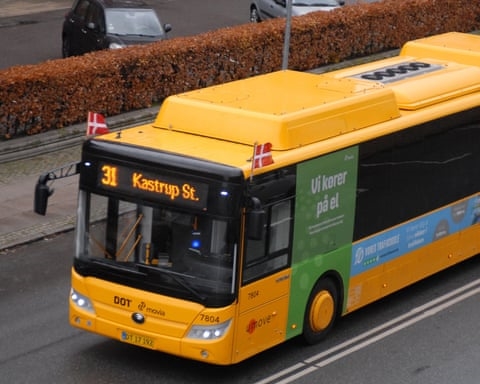
Danish authorities are moving swiftly to address potential vulnerabilities in hundreds of electric buses operating on public roads. The focus follows investigations into the remote access capabilities built into these vehicles’ control systems, a feature intended for maintenance and software updates.
The issue came to light after transport officials in a neighboring Nordic country conducted security tests on similar buses. Their findings indicated that the manufacturer’s remote access to vehicle software could, in theory, be exploited to interfere with bus operations while in transit. In response, officials there are implementing new security measures and plan to enforce stricter requirements for future vehicle purchases.
In Denmark, the largest public transport operator confirmed it is aware of the broader challenge. A senior executive noted that the potential for remote deactivation is not unique to one manufacturer or nation, but is a systemic consideration for any modern vehicle with internet-connected electronics and sensors. The company stated it has been in contact with national security advisors regarding the matter.
The national agency for civil protection confirmed it is monitoring the situation. While unaware of any actual incidents involving bus deactivation, the agency acknowledged that internet-connected subsystems in vehicles could present vulnerabilities. It stands ready to provide guidance to the transport sector on mitigating such technological risks.
The bus manufacturer in question has stated that it adheres to all local laws and data regulations. It emphasized that vehicle data in the European Union is stored locally under strict encryption and access controls, used only for maintenance and service purposes with customer authorization.
The situation has sparked a wider political debate about technological dependence. One regional politician argued that reliance on technology from nations with differing strategic interests could undermine national resilience, especially in an era of heightened geopolitical tensions.
The push for solutions underscores the growing security complexities introduced by the integration of connected technology into critical public infrastructure.