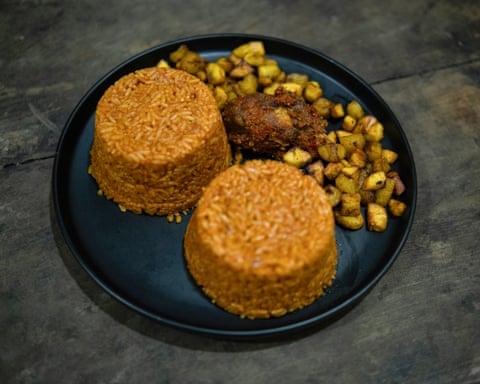
A signature dish that once defined everyday meals and festive gatherings across Nigeria is now retreating from regular dinner tables, becoming a treat reserved for special occasions. The soaring cost of essential ingredients, driven by sustained high inflation, has transformed jollof rice from a common staple into a luxury many families can no longer afford.
In Lagos, the vibrant energy of the holiday season contrasts sharply with the quiet calculations happening in kitchens. While celebrations continue, the classic combination of long-grain rice, tomatoes, peppers, and rich spices is increasingly absent from weekly menus. For numerous households, preparing an authentic pot has become a significant financial undertaking.
Recent data tracking the cost of the dish illustrates the sharp increase. The expense of cooking a single pot for a family of five has risen substantially over the past year, far outpacing adjustments in income. Analysts note that while the rate of price increases has recently slowed, the cumulative effect has severely eroded purchasing power. Essential food items now consume a much larger portion of monthly budgets, leaving little room for traditional dishes that require multiple, now-costly components.
Faced with these pressures, many home cooks are making difficult compromises. Recipes are being adapted, with key ingredients like tomato puree, margarine, or preferred proteins being omitted or substituted. Some resort to using cheaper smoked fish or simplifying the cooking process altogether, resulting in a milder, quicker dish that bears only a passing resemblance to the deeply flavored, slow-cooked original. This shift, from a culturally rich meal to a basic necessity, signifies a deeper social strain.
The phenomenon is not confined to Nigeria. In neighboring Ghana, where a spirited rivalry over the best version of the dish is a point of national pride, families report similar struggles. The cost of preparation there also represents a significant portion of daily wages, forcing many to cook it less frequently.
Experts point out that the changing status of such a culturally central food has implications beyond the kitchen. When a dish so deeply tied to memory, identity, and communal gathering becomes inaccessible, it alters traditions and shared social experiences. The ritual of sharing a properly made jollof rice with family and guests is being replaced by more economical, and often less communal, alternatives.
As the new year approaches, the hope for many is that economic conditions will improve, allowing the iconic scent of jollof rice to once again become a common, rather than a rare, feature of home cooking. For now, its presence on the plate remains a marked indicator of a special celebration.