A growing population of Mauritanian immigrants in Ohio is living under the shadow of potential deportation, fearing a return to a homeland where human rights abuses and systemic discrimination remain pervasive.
The community, which has taken root in areas like the village of Lockland north of Cincinnati, has swelled in recent years. Many undertook arduous journeys through Central America to reach the United States, often filing for asylum upon arrival. Now, a significant number find their cases pending in immigration courts, with the threat of removal looming.
For many, the prospect of returning to Mauritania is untenable. The West African nation, which was the last country in the world to formally abolish slavery, continues to grapple with deeply entrenched discrimination. A minority Arab-Berber elite governs a population where Black Mauritanians, particularly from the Fulani ethnic group, report widespread persecution and marginalization.
“No one who faced that reality wants to be sent back to it,” said one human rights advocate familiar with the community’s plight. “The conditions that caused people to flee in the first place have not changed.”
The rapid growth of the Mauritanian population in Lockland, drawn by affordable housing and available jobs, initially strained local resources and caused some friction with longer-term residents. Reports of overcrowded housing and infrastructure stress were common. However, community leaders note that as new arrivals have gained work authorization, their ability to integrate and contribute economically has improved.
“There was a period of adjustment, without a doubt,” said one local immigrant. “But people are working, renting their own places, and learning the norms. The situation has stabilized.”
The primary anxiety now stems from immigration enforcement. Routine check-ins with authorities have, in several reported instances, led directly to detention and removal. Advocates point to a sharp increase in deportation proceedings for Mauritanian nationals, placing the community on constant alert.
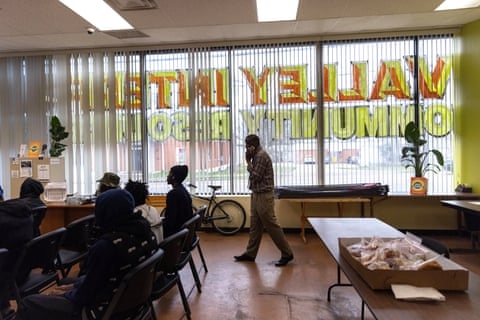
Local support networks have emerged to assist the new arrivals. One bicycle repair workshop, for instance, has provided hundreds of refurbished bikes to help immigrants navigate the city, especially before they could afford cars for commuting to jobs in manufacturing and food processing.
Yet, for individuals like one musician who fled after being jailed for criticizing the government, the future remains precarious. Having applied for asylum over a year ago, he awaits a decision while dreading his next mandatory appointment with immigration officials.
“You build a life here, a community,” he said. “But you live with the fear that it could all end with a single meeting. You just never know.”