A significant realignment in international aid policy is underway among major European donors, with Sweden and Germany leading a trend of slashing traditional development budgets to redirect funds toward the war in Ukraine and domestic defense spending. This pivot marks a departure from long-standing commitments to poverty reduction and humanitarian crises, particularly in Africa.
Sweden has announced a substantial reduction in its development funding, cutting 10 billion kronor from programs in Mozambique, Zimbabwe, Liberia, Tanzania, and Bolivia. Simultaneously, Germany has set a humanitarian budget for 2026 that is less than half of the previous year’s allocation, explicitly refocusing on areas deemed a direct priority for European security.
Analysts describe this shift as part of a broader geopolitical trend, where aid is becoming increasingly “transactional.” The guiding principle appears to be directing funds where donors perceive a direct strategic benefit, rather than based on the severity of humanitarian need. This move echoes earlier decisions by the United Kingdom and follows the significant reduction of American aid under the previous administration, a gap that European nations are now choosing not to fill.
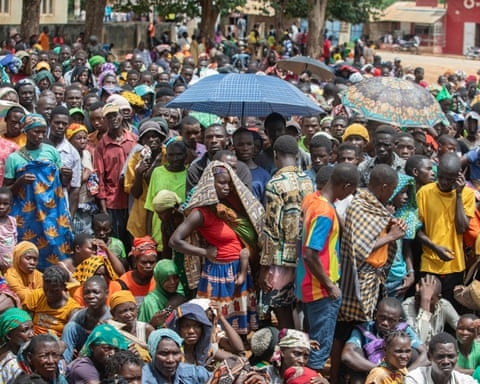
The practical consequences of these cuts are severe. In Mozambique, a nation grappling with cyclones, drought, and a violent insurgency that has displaced hundreds of thousands, the reduction in Swedish funding will directly impact programs for healthcare, education, and the rehabilitation of displaced persons. The United Nations reports that critical food assistance in the country is already insufficient, covering only a fraction of caloric needs.
Health initiatives are also facing severe setbacks. The four African nations removed from Sweden’s development portfolio will see cuts to HIV/AIDS services, threatening to reverse years of hard-won progress against the disease. Germany’s new budget includes a 20% cut to the World Food Programme and a 33% reduction for the Gavi vaccine alliance, while largely preserving partnerships with the private sector.
Civil society groups warn that these decisions, made under political pressure in donor capitals, destabilize the local systems that prevent crises from worsening. They argue that communities bearing the brunt of hunger, disease, and conflict have no voice in these budgetary reshuffles, which prioritize short-term geopolitical interests over long-term stability and development. Experts caution that if this trend continues, progress achieved over the past decade in vulnerable regions risks being completely undone.