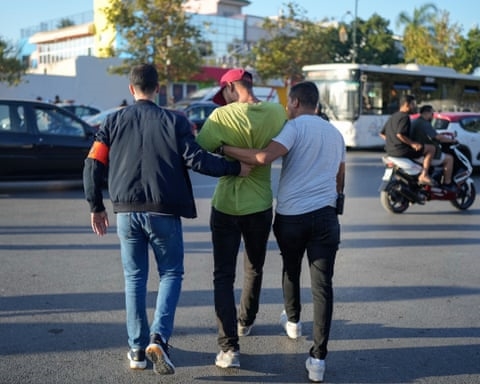
As Morocco readies to host a major continental football championship, international attention is turning to allegations of a severe state crackdown on recent youth-led demonstrations. Human rights organizations report widespread arrests, alleged abuses in detention, and a climate of fear among young activists.
The protests, which surged in late September and early October, were driven by widespread discontent over perceived underinvestment in public healthcare and education. The response from security forces, according to multiple rights groups, has been disproportionately harsh.
Reports detail mass arbitrary detentions, with estimates suggesting thousands were taken into custody. Testimonies from families and legal advocates allege that many detainees, including minors, faced severe beatings, deprivation of food and water, and coercive tactics to extract confessions. One account describes a young man losing teeth during his arrest, while others speak of detainees being subjected to humiliating treatment.
The situation turned deadly in early October in the town of Lqliâa, where three protesters were fatally shot. Authorities stated that security forces reacted after a police station was stormed, but this account is contested by witnesses and rights monitors.
The legal aftermath appears equally concerning. Hundreds remain in detention, with many facing prosecution. Rights groups report that trials have been marked by procedural irregularities, including the absence of defense lawyers during initial hearings and convictions based on what they describe as insufficient evidence. Some protesters have reportedly received lengthy prison sentences.
A government spokesperson has stated that all judicial procedures are conducted lawfully, with fair trial conditions respected. Officials have also pointed to announced increases in social spending as evidence of a commitment to addressing the protesters’ underlying grievances.
However, the crackdown has cast a shadow over the nation’s international moment. The recent tragic deaths of dozens in flash floods in the Safi region have further fueled public criticism, with some citizens accusing the government of neglecting essential infrastructure.
Despite announced reforms, a palpable tension persists. Families of those killed and detained continue to seek accountability and transparency, while many young Moroccans reportedly remain too fearful of reprisals to return to public demonstrations. The coming weeks, as global spotlight falls on the country, will test the balance between national image and domestic discontent.