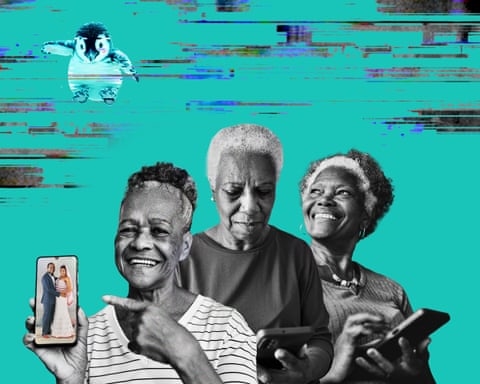
The holiday season often means reconnecting with family, including those beloved relatives who have become prolific, and sometimes problematic, sharers on messaging apps. For many, these figures—often aunts, but uncles and others too—have evolved. Once known for forwarding chain messages and dubious health tips, they now circulate a new breed of content: convincing, AI-generated fabrications. My own recent, embarrassing stumble into believing a flawless AI-produced music video was a stark reminder. It’s a humbling lesson that should reshape our approach to these family conversations.
These family members often operate like a dedicated newsroom. Their daily streams can include everything from morning blessings and family photos to clipped political debates and celebrity gossip. Interwoven are the lengthy voice notes checking in, creating a rhythm that is both endearing and overwhelming. The content volume alone can be a technical burden, but the core issue is its authenticity. The harmless, whimsical fakes of animals acting like humans are one thing. It’s the politically charged deepfakes or fabricated endorsements by public figures that cross a dangerous line.
Confronting this directly often backfires. To question a video’s reality can feel, to them, like a personal affront or an accusation of gullibility. For a generation that trusted the authority of broadcast television, the phone screen can feel just as credible. Attempting to explain that a convincing video of a politician or singer is entirely synthetic can make you seem like the unreasonable one.
Some argue for a laissez-faire approach, suggesting these digital snippets are harmless comforts for older adults. Yet the concern runs deeper than mere annoyance. Watching a parent or relative grow increasingly absorbed by their device, readily accepting digital falsehoods, can feel like a distressing glimpse into cognitive vulnerability in a hyper-connected age. Furthermore, the social impact cannot be ignored. These individuals frequently hold significant sway within their communities as organizers, moral authorities, and connectors. Their unchecked sharing of inflammatory or conspiratorial fiction doesn’t just misinform; it actively pollutes the shared information space with real-world consequences.
The solution isn’t to stop talking, but to change how we talk. Patience and empathy must replace frustration. Instead of blunt dismissal, try engagement: “That’s an interesting video! I saw something online saying it might be generated by AI—look at how the shadow doesn’t quite match.” Equip them with simple detection tools: odd blinking, unnatural skin textures, inconsistent lighting. Most importantly, understand the context. For many elders, rapid technological change is disorienting. Physical distance from family and shifts in life identity can make constant digital connection a vital social lifeline, a new language of care. Their sharing is often less about the content itself and more about the act of reaching out.
This holiday, as we gather, we should remember that the line between real and synthetic is blurring for everyone. My own experience proves that even the vigilant can be fooled. The goal isn’t to win an argument or shame a relative, but to gently bring them along as critical participants in our digital world. It’s a shared journey, and kindness is the most essential tool we have.