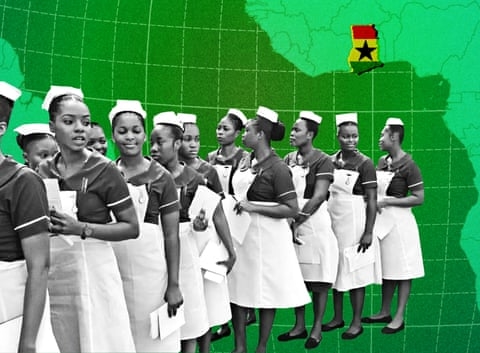
The strain on Ghana’s public hospitals is palpable, with wards understaffed and remaining medical professionals stretched to their limits. A significant factor driving this pressure is a sustained and accelerating wave of nurses departing for opportunities abroad. Recent estimates suggest several thousand qualified nurses left the country in the past year alone, seeking positions in nations like the United States, the United Kingdom, Canada, and Australia.
This migration is fueled by a combination of push and pull factors. Domestically, nurses cite challenging working conditions, concerns over infrastructure, and compensation that many find inadequate for the demands of the job. Internationally, well-resourced health systems offer not only better pay but also advanced equipment and clearer career pathways.
The government has framed the outflow as leveraging a surplus of trained professionals, even finalizing agreements to send hundreds of nurses to Caribbean nations. However, this perspective is contested on the front lines. Many within the healthcare sector describe the situation as a looming crisis, warning that the loss of experienced staff erodes institutional knowledge and dangerously widens the nurse-to-patient ratio, placing immense burden on those who remain.
The personal calculations behind these career decisions vary. Some experienced nurses, having secured foreign qualifications and job offers, are making definitive plans to relocate with their families. They often express a desire for professional respect and a system that functions reliably, even as they acknowledge the challenges of starting anew abroad.
Others, particularly newer graduates, find themselves in a holding pattern. They face the immediate realities of a strained system—delayed postings, bureaucratic hurdles, and the daunting task of learning without sufficient mentorship as senior colleagues depart. For them, emigration may be a long-term goal, but current barriers like a lack of experience or specific certifications keep them in Ghana for now.
A third group is determined to stay and build a career at home. These individuals often combine clinical work with other ventures, such as teaching or entrepreneurship, to make ends meet. They articulate a strong sense of duty to their communities, posing a critical question: if all skilled professionals leave, who will care for the nation’s health needs?
The collective departure of thousands of nurses presents a complex challenge. It highlights issues of retention, fair compensation, and workplace conditions within Ghana’s health sector. While the individual pursuit of better opportunities is understandable, the cumulative effect risks undermining the stability of the very system that trains these vital professionals. The path forward likely requires a concerted focus on making domestic nursing careers sustainable and attractive, to ensure the country’s healthcare infrastructure is supported by the skilled workforce it needs.