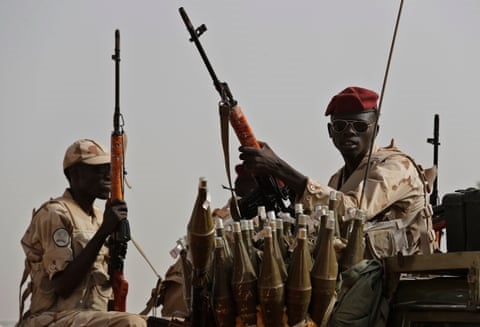
The United States has taken action against an international network it alleges is responsible for recruiting and deploying Colombian military veterans to fight in Sudan’s civil war. Newly announced sanctions target four individuals and four companies accused of supporting the paramilitary Rapid Support Forces (RSF), a group the U.S. has accused of committing war crimes and genocide.
According to the U.S. Treasury Department, the sanctioned network is primarily composed of Colombian nationals and firms. They are accused of organizing the travel and employment of hundreds of former Colombian soldiers to Sudan, where they have reportedly served as trainers and frontline combatants for the RSF.
The involvement of Colombian ex-military personnel in Sudan came to light last year, sparking international concern and a formal response from Colombia’s government. These veterans, highly valued in global conflict zones for their extensive combat experience and technical proficiency, have allegedly been involved in training programs, including for child soldiers, and in direct battlefield engagements.
Among those designated is Álvaro Andrés Quijano Becerra, a retired Colombian officer residing in the United Arab Emirates, whom authorities describe as a central figure in the recruitment pipeline. Also sanctioned were his wife, Claudia Viviana Oliveros Forero; Mateo Andrés Duque Botero, accused of managing financial operations and payroll for the fighters; and Mónica Muñoz Ucros, linked to related fund transfers.
In its statement, the Treasury Department reiterated a call for all external actors to halt financial and military support to the warring parties in Sudan. Analysts view the sanctions as a significant step, highlighting efforts to disrupt the supply chain of foreign fighters. However, experts caution that sanctions alone may be inadequate to dismantle such networks, particularly when they operate from jurisdictions perceived as insulated from international pressure.
The move coincides with Colombia’s own recent legislative action to formally prohibit mercenary activities, aiming to end its nationals’ long-standing involvement in foreign conflicts. Despite these measures, observers warn that the demand for experienced combatants in global hotspots remains high, suggesting such recruitment efforts may persist.