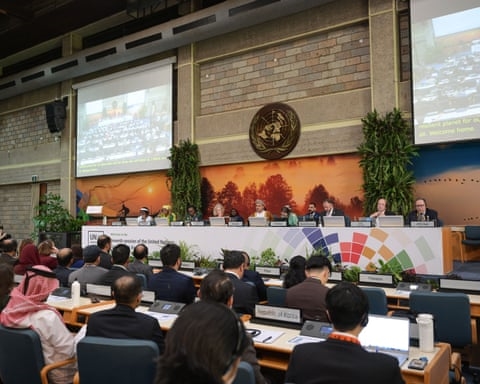
As global climate discussions advance, a significant and contentious proposal is emerging from the international stage: a push to formally reject solar geoengineering. This technology, which aims to cool the planet by reflecting sunlight away from Earth, is facing mounting opposition, with a coalition of nations arguing the risks far outweigh any theoretical benefits.
The core concern is that manipulating the atmosphere on a planetary scale presents profound and unpredictable dangers. Critics highlight potential disruptions to global rainfall patterns, which could devastate agricultural systems and food security. Furthermore, a reliance on such a technical fix does nothing to address the root cause of climate change—greenhouse gas emissions. Perhaps the most alarming risk is the prospect of a “termination shock,” a scenario where a sudden halt to spraying operations could trigger a rapid and catastrophic rebound in global temperatures.
This opposition has crystallized into a demand for an international “non-use” agreement. Such a pact would prohibit public funding, outdoor experiments, and the commercial patenting of solar radiation modification technologies. The movement draws a parallel to historical bans on landmines and chemical weapons, framing the issue as one of preventing a dangerous and destabilizing tool from ever being deployed.
The urgency of this call is underscored by the nascent industry forming around the concept. Private firms are already developing hardware for future “cooling services,” while some national research programs are beginning to fund exploratory studies. This commercial and scientific momentum raises a critical geopolitical question: who would control a global thermostat? The prospect of any single nation or corporation wielding such power over the Earth’s climate system is viewed as an unacceptable concentration of influence, with potentially dire consequences for global equity and security.
Proponents of a moratorium argue it would not hinder climate action but would instead sharpen the global focus on proven solutions: a rapid phase-out of fossil fuels, massive investment in renewable energy, and increased funding for communities already coping with irreversible climate impacts. The debate over solar geoengineering is ultimately a debate about precaution, power, and the path to a stable climate—a path that, for many, must not include an unproven and perilous technological shortcut.