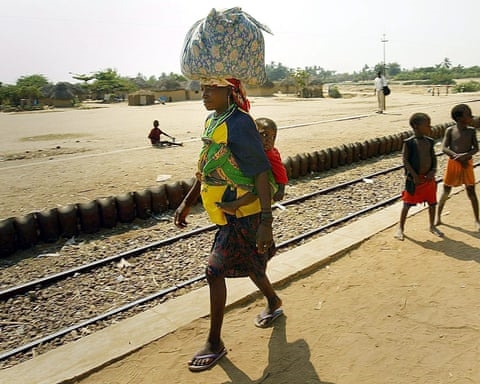
A major international infrastructure initiative, aimed at upgrading a key regional railway, is reportedly putting thousands of residents in the Democratic Republic of the Congo at risk of losing their homes. The project, which involves significant funding from Western governments, is central to global efforts to secure supplies of minerals essential for manufacturing batteries and other green technologies.
The plan focuses on revitalizing a historic railway line that runs from mineral-rich areas of the DRC to a port in Angola, with extensions planned into Zambia. Its stated goal is to improve the export capacity for metals like copper and cobalt. However, a new analysis indicates that the rehabilitation of the Congolese section could lead to the demolition of hundreds of structures, primarily in the city of Kolwezi.
According to the findings, up to 1,200 buildings in informal settlements adjacent to the tracks may be affected, potentially displacing several thousand people. Many residents have lived in these areas for decades, constructing homes and businesses near the railway during a period when its use had largely ceased and land-use regulations were not enforced.
There appears to be confusion and disagreement on the ground regarding official property rights and the exact boundaries of land reserved for the railway. Local authorities have referred to some inhabitants as occupying land illegally, while community advocates argue that people have built their lives there without obstruction for years and now fear eviction without adequate compensation or recourse.
The railway concession is operated by an international consortium, which states that its role is limited to financing the upgrades in exchange for use of the line, while maintenance and operational responsibility within the DRC remains with the state railway company. The consortium has said it has not seen evidence supporting the estimated scale of potential displacement.
Western backers of the broader corridor project have emphasized that their financing is tied to stringent social and environmental standards. They note that comprehensive impact studies, which include plans for community consultation and potential resettlement compensation, are still in progress and are prerequisites for the project’s advancement.
The situation highlights the complex challenges at the intersection of global economic ambitions and local community welfare, as international investments flow into resource-rich regions to build the infrastructure of the future.