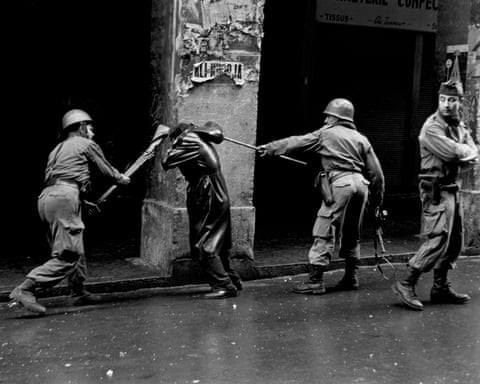
A landmark conference in Algiers has brought together African leaders and diplomats to forge a unified path toward addressing the enduring legacy of colonialism. The gathering marks a significant step in a continent-wide campaign seeking formal recognition of historical crimes, their criminalisation under international law, and concrete reparations.
Delegates are advancing a resolution adopted earlier this year by the African Union, which frames the colonial era as a source of ongoing injustice. Central to the discussion is the argument that the exploitation of that period continues to impact African nations through systemic economic and social disparities.
The Algerian Foreign Minister, addressing the conference, stated that the recognition of colonial-era atrocities is a fundamental prerequisite for healing. He argued that restitution for stolen resources and cultural heritage should be established as a legal right, not an act of charity. “The consequences of that era are still paid for daily in the form of exclusion and hindered development,” he asserted.
While international law condemns practices like slavery and apartheid, there is no explicit global statute defining colonisation itself as a crime against humanity—a legal gap this movement aims to close. The economic toll of colonial resource extraction, often enforced through violence, is estimated to be in the trillions, creating a profound historical debt.
The choice of Algiers as the host city is deeply symbolic. Algeria’s war for independence from France, a protracted and brutal conflict, stands as a stark example of colonial resistance. The country’s experience continues to shape its foreign policy, including its stance on Western Sahara, which it describes as “Africa’s last colony” awaiting full decolonisation.
This diplomatic push extends beyond Africa. It aligns with similar initiatives in the Caribbean, where nations are calling for reparatory justice from former colonial powers for the legacies of the transatlantic slave trade and indigenous genocide.
The campaign faces complex diplomatic challenges, as nations balance the pursuit of justice with maintaining contemporary international relations. Some European governments have acknowledged historical wrongs but stopped short of formal apologies or substantial restitution. The issue remains particularly sensitive, exemplified by ongoing disputes over the repatriation of looted artefacts held in foreign museums.
The Algiers conference represents a concerted effort to shift the discourse from historical acknowledgment to actionable legal and moral frameworks, signalling a new chapter in the long struggle for post-colonial justice.