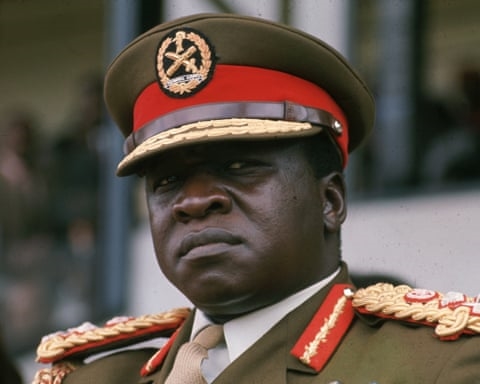
The recent publication of a new historical work has reignited debate over one of Africa’s most notorious figures. The book, a blend of memoir and analysis, presents a controversial reassessment of Uganda’s post-colonial trajectory, challenging long-held narratives about its leaders.
The author, a prominent academic with personal ties to the region’s history, argues that conventional understanding is clouded by Western media portrayals. He posits that the regime of Idi Amin, often depicted solely as a brutal military dictatorship, should also be seen through the lens of anti-colonial defiance. The expulsion of the Asian community, a pivotal and traumatic event, is framed here not as mere ethnic scapegoating but as a calculated strike against the lingering economic structures of British rule, intended to make Black political power substantive.
This perspective stands in stark contrast to the immense human cost of Amin’s rule, which saw widespread violence and economic collapse. The author acknowledges this tragedy but insists on Amin’s symbolic role as a leader who rejected Western hegemony, aligning instead with other anti-imperialist forces of the era.
The critique extends to Uganda’s subsequent leadership. The book contends that the president who followed Amin and is often credited with stabilization actually fragmented the nation along ethnic lines and embraced the very neoliberal economic policies his predecessor spurned. This, the argument goes, created a different, more insidious form of national damage.
The work does not shy away from the paradoxes of its central figure, acknowledging the dictator’s bizarre and often cruel performative gestures. Yet, it asks readers to consider whether these acts were a form of political theater aimed at upending colonial power dynamics.
Ultimately, the book serves as a provocative challenge to simplistic historical binaries. It urges a more nuanced examination of the complex, often painful choices faced by post-colonial states, where the pursuit of sovereignty could become entangled with tyranny. The analysis suggests that the legacy of this period is not a story of clear heroes and villains, but a slow-acting poison whose consequences continue to shape the nation.