A simmering diplomatic dispute between South Africa and the United States has cast a shadow over the conclusion of the G20 summit in Johannesburg, centering on the ceremonial handover to the next host nation.
The controversy erupted after the U.S. administration announced it would not participate in the summit’s official talks. South African officials subsequently objected to a reported American plan to have a junior embassy official represent the U.S. during the summit’s closing ceremony, where the symbolic presidency is passed to the next host. South Africa’s foreign ministry stated the presidency would not be handed to such an official.
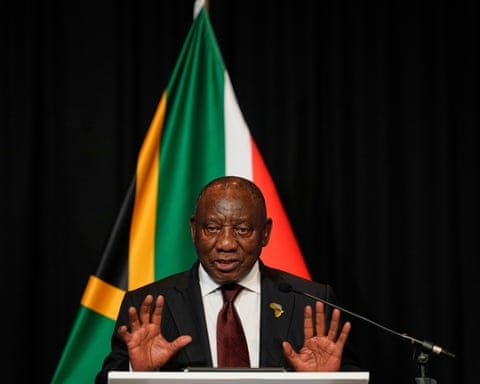
South African President Cyril Ramaphosa indicated that discussions were ongoing regarding potential U.S. involvement, while earlier emphasizing the principle that nations should not be bullied and their sovereignty must be respected. The U.S. response was sharp, with a White House spokesperson criticizing Ramaphosa’s comments and clarifying that any U.S. presence would solely be to acknowledge that America will host the forum next year, not to engage in substantive talks.
The 2026 summit is scheduled to be held at a Trump-owned resort in Florida. Analysts suggest the American boycott risks damaging U.S. global standing, with some observers noting it portrays the U.S. as an unreasonable actor in this context.
Beyond the diplomatic row, South Africa has used its historic presidency—the first by an African nation—to champion issues critical to the continent and the developing world. Key priorities included addressing crippling public debt levels, financing a equitable transition to green energy, and improving disaster response.
A major focus has been global inequality. A panel of experts commissioned by the presidency presented a report highlighting that the wealthiest 1% captured a disproportionate share of global wealth growth since 2000. The panel proposed creating an independent international body, akin to the climate change panel, to monitor inequality and policy solutions. Support for this initiative has been voiced by the leaders of South Africa, Brazil, and Spain.
Separately, as the summit concluded, widespread protests were held across South Africa against gender-based violence, with thousands observing a moment of silence to honor the many women killed in the country.