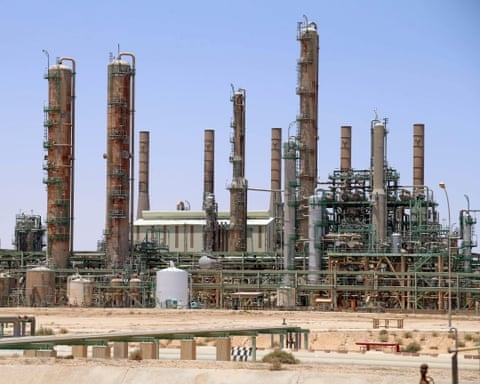
A new investigation reveals that a massive, state-sanctioned fuel smuggling operation has drained an estimated $20 billion from Libya’s public coffers over a three-year period. The findings call for urgent international sanctions and a formal inquiry into the officials implicated in the scheme.
According to the report, political and security leaders, often with foreign backing, have orchestrated a system that systematically diverted the country’s primary revenue source. The illicit enterprise reportedly intensified after a 2022 leadership change at Libya’s National Oil Corporation (NOC). The NOC initiated an oil-swap program, trading domestically produced crude for imported refined fuel. Instead of being sold at subsidized prices within Libya, this fuel was allegedly funneled to criminal networks and sold abroad for enormous private profit.
The scale of the operation is staggering. By late 2024, the NOC’s daily fuel imports had more than doubled compared to early 2021, a surge far exceeding any plausible domestic need. Analysts estimate that in 2024 alone, over $6.7 billion worth of fuel was smuggled out of the country—funds that could have more than tripled national spending on critical sectors like healthcare and education.
The smuggling network has had devastating domestic consequences, creating artificial fuel shortages that force ordinary citizens to pay inflated prices on the black market. Internationally, the illicit fuel has reportedly been trafficked to multiple countries, including Sudan, where it is said to have helped prolong the ongoing civil conflict.
The report argues that this is not merely a case of poor governance but a deliberate, high-level strategy of economic plunder. It urges Western-backed investigations to hold accountable those responsible and to assist Libyan authorities in recovering stolen assets.
While the NOC has stated it discontinued the swap system in early 2025, experts note that Libya continues to import refined fuel at levels that far outstrip its domestic consumption capacity, suggesting the underlying issues may persist.