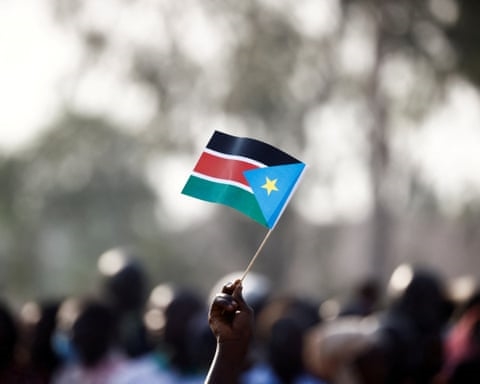
The United States has officially terminated the Temporary Protected Status (TPS) designation for South Sudan, a program that for over a decade shielded nationals from the East African nation from deportation. The Department of Homeland Security announced the decision this week, citing an assessment that conditions in South Sudan no longer warrant the special protection.
Individuals currently shielded under the program now face a 60-day window to depart the United States voluntarily or risk removal proceedings. In a related announcement, immigration authorities indicated that eligible individuals who coordinate their departure through a designated mobile application may receive financial assistance for travel and a nominal exit payment.
The TPS program is a discretionary form of humanitarian relief granted to foreign nationals when their home countries are deemed unsafe due to ongoing armed conflict, environmental disasters, or other extraordinary conditions. It provides recipients with temporary authorization to live and work legally in the U.S.
South Sudan first received the TPS designation in 2011, following its independence and the outbreak of severe internal conflict. The status had been renewed multiple times by successive administrations but was allowed to lapse following the latest review.
This action represents a continuation of a broader policy shift to scale back TPS designations for several nations. The move has drawn criticism from immigrant advocates and human rights observers, who express deep concern for the safety of returnees.
They point to the fragile and volatile situation in South Sudan, where a tenuous peace agreement from 2018 remains under strain. Recent political instability, including high-profile arrests, combined with persistent ethnic tensions and localized violence, has led international monitors to warn of a potential relapse into widespread conflict. Critics argue that returning individuals to such an environment could expose them to significant danger.
The termination directly affects a limited number of individuals—estimated in the low hundreds—but is seen as part of a larger pattern of tightening U.S. immigration pathways that were established on humanitarian grounds.