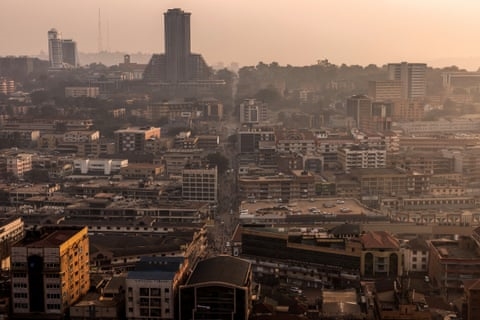
The election of a new mayor in New York City has sparked a wave of inspiration thousands of miles away in Uganda, where many see it as a powerful counter-narrative to regional political struggles.
Zohran Mamdani, a 34-year-old former musician, secured a historic win to become the city’s next leader. Born in Kampala to a family of Indian heritage before moving to the United States as a child, his political ascent has captured attention in his birthplace.
At Makerere University in Kampala, where Mamdani’s father was once a professor, students expressed a renewed sense of potential. “Seeing someone with our roots achieve this makes my own ambitions feel more tangible,” shared one psychology student, who also noted the positive international spotlight it could bring to Uganda.
The reaction comes against a backdrop of heightened political tension in East Africa. Recent months have seen reports of election-related violence in neighboring Tanzania and increasing scrutiny on Uganda’s own democratic processes ahead of national elections scheduled for January. In this climate, Mamdani’s successful campaign is being viewed by some as a instructive model.
A local procurement officer emphasized the takeaway, stating that Uganda should adopt a culture of genuinely free and fair elections where all candidates can compete on equal footing. The sentiment was echoed by a retired media figure close to the Mamdani family, who described the win as a “beacon of hope” and a lesson in empowering younger generations to engage meaningfully in politics.
Opposition figures within Uganda also acknowledged the symbolic weight of the victory. The primary challenger to the long-standing president posted a public congratulations, expressing that Ugandans draw strength from such examples as they work toward a more equitable future. Another opposition leader called the result “a big encouragement” while soberly acknowledging the significant political journey that remains for nations like Uganda.
The international election result has thus transcended local politics, becoming a focal point for discussions about leadership, opportunity, and democratic ideals in a region confronting its own complex political realities.