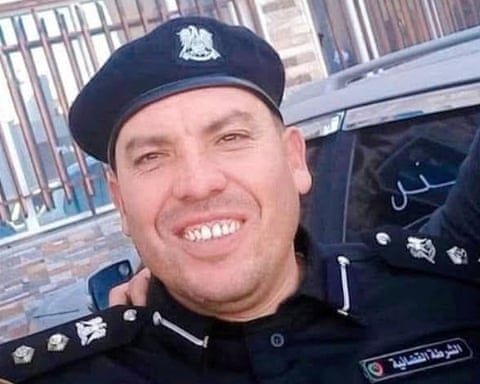
A high-ranking Libyan military figure, sought internationally for severe human rights violations, has been taken into custody in Tripoli. The arrest follows an investigation into accusations of torture and abuse at a major detention facility in the capital.
The detained individual, Osama Almasri Najim, previously served as head of the nation’s judicial police. Authorities state the arrest warrant is connected to allegations involving the mistreatment of detainees, which reportedly led to the death of one prisoner. Prosecutors indicated that their probe, initiated after international warrants were issued, uncovered further evidence of systematic abuses at the prison.
Najim’s case had previously sparked international controversy. Earlier this year, he was briefly detained in Italy under an International Criminal Court warrant, only to be released and returned to Libya via an Italian government aircraft. Italian officials at the time cited national security concerns for the rapid repatriation, a move that drew sharp criticism from opposition parties and rights groups who alleged it undermined international justice obligations.
The prior release prompted judicial scrutiny in Italy, though officials involved were later cleared of related allegations. The incident intensified debate over migration and security agreements between Italy and Libya, with critics arguing such deals compromise human rights standards.
The arrest in Tripoli has been noted by political figures abroad, with some framing it as an embarrassment for governments previously involved in the suspect’s repatriation. They contend that Libya’s current judicial actions contrast sharply with earlier decisions to return the suspect.
Libya has recently moved to accept the jurisdiction of the International Criminal Court for probing alleged war crimes within its borders, despite not being a formal party to the court’s founding treaty. The development highlights ongoing efforts to address accountability for atrocities committed during and after the country’s period of conflict.
The case continues to draw attention to the complex international relationships and human rights challenges surrounding migration enforcement and judicial cooperation in the region.