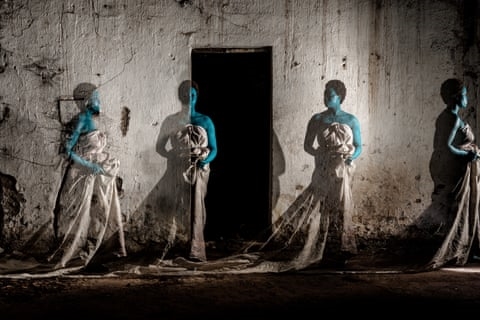
In the wake of a profound personal loss, one artist found an unexpected path to healing and creative expression. Stacey Gillian Abe, a Ugandan artist, channeled the emotional turmoil following the end of a long-term relationship into a powerful photographic series titled Indigogo. The project intertwines a deeply personal narrative with a historical investigation into the transatlantic slave trade.
During a period of introspection, Abe discovered an abandoned warehouse in Kampala. Its isolated, cavernous interior resonated with her state of mind, providing a sanctuary and the perfect, stark backdrop for her work. This setting became the stage for an exploration that began years earlier during an artist residency in Indiana.
Research there led her to the historical connection between indigo dye and human bondage. She became captivated by the grim reality that this vibrant blue pigment was once a commodity valuable enough to be traded for human lives. The Indigogo series visualizes this history, contemplating the enslaved individuals whose identities were erased in such transactions, leaving behind only fragmented memories of a past life.
For Abe, the project served a dual purpose. It was an artistic examination of the commodification of the Black body throughout history, symbolized by the indigo. Simultaneously, it was a raw, personal documentary of her own emotional landscape as a Black woman navigating grief and recovery. She placed her own body at the center of the images, using long-exposure photography captured in the warehouse’s nocturnal darkness to create ethereal, blue-tinged self-portraits.
Completed in 2020, the series now stands as a testament to resilience. Reflecting on that challenging period, Abe expresses gratitude for the creative process, which she credits with fostering personal growth and a transformed perspective. The work allowed her to process profound pain and emerge with a stronger sense of self, having woven together threads of personal history and collective memory into a singular artistic statement.