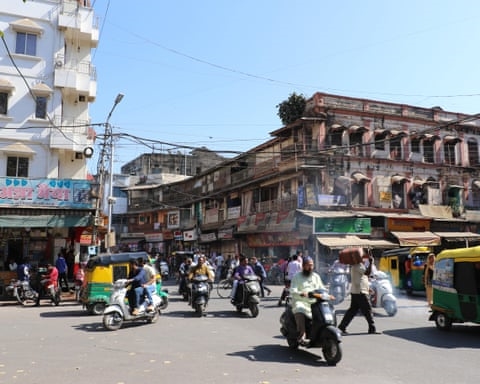
A tragic outbreak of waterborne illness has struck a densely populated neighborhood in Indore, a city repeatedly honored for its cleanliness. Authorities have linked at least ten fatalities and hundreds of hospitalizations to a contaminated water supply, sparking outrage and raising urgent questions about infrastructure oversight.
For months, residents reported a persistent foul odor from their tap water, but their concerns reportedly went unaddressed. The situation reached a critical point this week as hospitals saw a surge of patients suffering from severe vomiting, diarrhea, and fever. Medical officials confirmed the presence of bacteria commonly associated with sewage in the water supply.
A preliminary investigation points to a critical infrastructure failure: a public toilet facility was constructed directly over a drinking water pipeline without a proper septic system, allowing waste to seep into the potable water line. Several local officials have been suspended pending a full inquiry into the incident.
Among the victims was a five-month-old infant. The child’s father stated the family had used filtered tap water, unaware of any danger, and emphasized that no public warning had been issued.
The state’s chief minister announced that health teams had identified thousands of potential cases in door-to-door surveys and pledged to implement new regulations to prevent a repeat of the crisis. The opposition has criticized the ruling administration, calling the event a catastrophic failure in providing a basic right to safe water.
This incident casts a stark light on broader national challenges. Reports indicate a significant portion of public water-testing laboratories lack formal accreditation, potentially compromising water safety standards. Public health experts warn that such systemic gaps, combined with rapid urban growth, increase the vulnerability of populations to similar disease outbreaks.
The tragedy in a city celebrated for its sanitation record serves as a sobering reminder of the vital need for rigorous enforcement of water safety protocols and accountable urban governance.