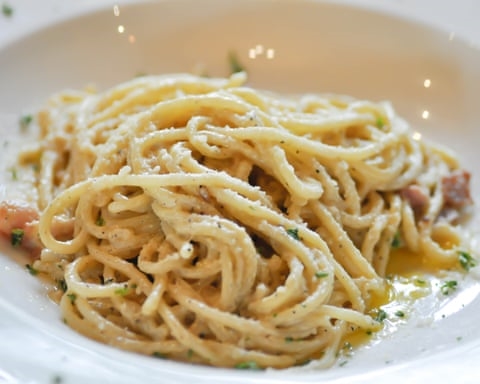
In a significant reversal, the United States has drastically reduced proposed punitive tariffs on pasta imported from Italy. The move comes after months of tension, during which the previous administration had threatened duties as high as 92% on major Italian producers.
The initial investigation targeted thirteen Italian pasta manufacturers, including industry giants, accusing them of selling products in the U.S. market at unfairly low prices—a practice known as dumping. Italy is a leading exporter of pasta to the United States, with annual sales estimated in the hundreds of millions of dollars.
Following a review, the U.S. Department of Commerce has now issued preliminary duty rates far below the original threat. The new rates are set to range from approximately 2% to 14%, depending on the specific producer. This recalculation is seen as a direct result of the Italian companies’ cooperation with the investigation, providing requested data and addressing official concerns.
A final decision on the exact tariff levels is expected in mid-March. Any new duties would be applied in addition to existing broader tariffs on European Union goods.
Italian officials have welcomed the development, interpreting the sharply reduced rates as a positive sign of recognition for their constructive engagement. The country’s agricultural sector had previously warned that the initially proposed tariffs would deliver a devastating blow to a vital national industry.
This decision on pasta forms part of a broader pattern of recent U.S. trade policy adjustments. In a separate move, the administration announced a one-year delay on planned tariff increases for several other imported goods, including furniture and cabinetry, citing ongoing negotiations with trade partners.