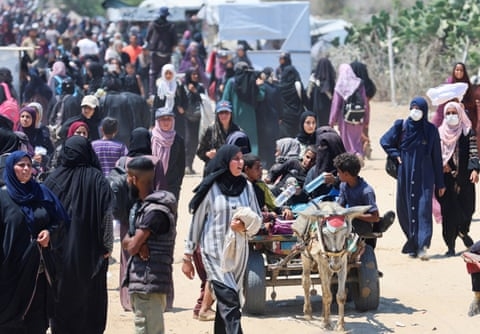
A new, privately-funded residential development is being proposed for the southern Gaza Strip, according to planning documents and sources familiar with ongoing coordination efforts. The project, which would be financed by the United Arab Emirates, aims to establish a self-contained community on the outskirts of Rafah, offering residents access to essential services including education, healthcare, and utilities.
To gain entry and residency, individuals would be required to undergo security vetting and provide biometric data. The blueprints, presented recently to a group of European donors, frame the initiative as a potential model for future residential zones. The plans have reportedly received preliminary approval from relevant military authorities.
The UAE has been a significant provider of humanitarian aid to Gaza. This proposed investment would mark its first direct involvement in a physical reconstruction project within areas currently under specific administrative control. The initiative is emerging within a broader framework of international discussions concerning post-conflict rebuilding.
The proposed community’s design includes measures intended to operate independently of local militant factions. These measures reportedly involve the use of digital currency systems to monitor transactions and an externally-provided educational curriculum. Planners state that residents would have freedom of movement in and out of the area, contingent upon security screenings aimed at preventing the entry of weapons.
The site for the proposed development lies within a region that has sustained extensive damage during recent hostilities. Reconstruction across Gaza is estimated by international bodies to require tens of billions of dollars and could span decades, given the scale of destruction to infrastructure.
A key aspect of the planning process involves verifying land ownership for the proposed site, a step seen as crucial to addressing potential legal concerns regarding displacement. Critics of the plan argue that such projects, regardless of their eventual construction, could be used to legitimize ongoing clearance operations and further fragment Palestinian territory. They also express concern that the proposed biometric controls could institutionalize a system of heightened surveillance and control over Palestinian movement.
Proponents suggest the community could serve as a pilot for safer, stabilized residential areas. The ultimate implementation of the project remains uncertain, pending further diplomatic and logistical developments. The broader reconstruction process faces significant challenges, including the restricted access of major international aid organizations and unresolved questions about security governance and long-term funding.