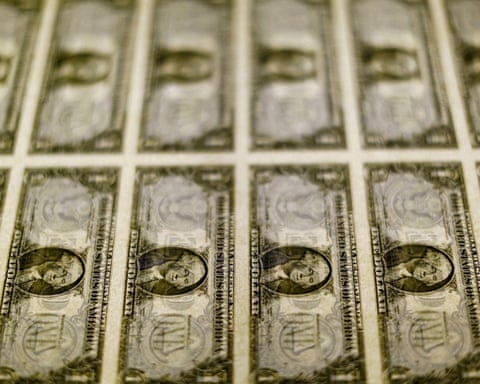
The U.S. dollar has reached its weakest point in four years, triggering significant shifts in global currency markets. The decline follows recent public remarks from the White House that appeared to dismiss concerns about the currency’s sustained slide, prompting investors to move capital into perceived safe-haven assets.
The dollar index, which measures its strength against a basket of other major currencies, fell sharply this week, extending a losing streak that has now persisted for several sessions. This downturn marks the most significant single-day drop in nearly ten months.
Official commentary characterized the dollar’s weakness as a positive development for economic competitiveness. However, financial markets reacted differently, interpreting the stance as introducing fresh volatility and policy unpredictability. Analysts note the dollar has depreciated approximately 10% over the past twelve months.
This depreciation is a double-edged sword for the economy. While it may benefit large multinational corporations by making their overseas earnings more valuable when converted back to dollars, it simultaneously increases the cost of imported goods for consumers, raising potential inflationary pressures.
The dollar’s retreat has catalyzed rallies for several rival currencies. The euro has broken through a key psychological barrier, reaching its highest level in years. Simultaneously, the Swiss franc, a traditional refuge during times of market stress, has surged to a decade-high against the greenback.
Gold prices have mirrored this flight to safety, soaring to unprecedented record highs. The precious metal’s remarkable rally has seen its price increase substantially over the past year, underscoring deep-seated investor caution amid geopolitical and economic uncertainty.
Market observers point to several factors behind the dollar’s weakness, including concerns over political influence on monetary policy, the nation’s growing debt burden, and the broader economic outlook. Attention is now focused on the upcoming Federal Reserve policy announcement, with expectations that interest rates will remain steady despite external calls for reductions.
The leadership of the central bank itself has become a source of market scrutiny, with the current chair’s term set to expire in the coming months, opening the door for a potential change in direction for U.S. monetary policy.