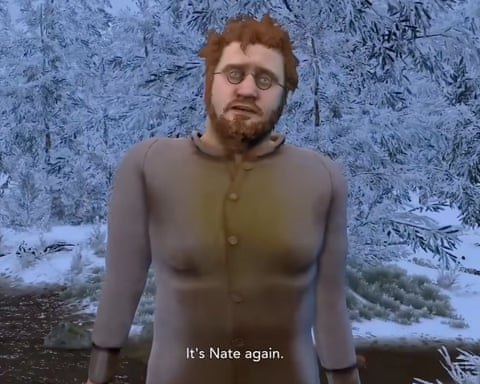
In the world of video games, heroes are often chiseled warriors or brilliant strategists. The protagonist of Baby Steps, however, is anything but. He is Nate, a 35-year-old man who lives in his parents’ basement, wears a onesie, and is spectacularly unprepared for a simple hike. Yet, this very design is the point. The game’s creators set out to craft an experience that begins with frustration and awkwardness, only to gradually reveal a deeper, more resonant journey.
The core gameplay involves painstakingly controlling Nate’s individual feet to navigate a treacherous mountain. It’s a mechanic designed to feel arduous, mirroring the character’s own physical and social clumsiness. Early on, Nate even refuses a helpful map from a fellow hiker, a moment that serves as both a joke about stubborn self-reliance and a commentary on streamlined modern gaming conventions.
According to the developers, this resistance to help is central to Nate’s character—and to a very human impulse. “He’s an aspect of who I am,” one creator noted, explaining that the character embodies a part of himself that instinctively shuns assistance. This makes Nate a vessel for player projection. His lack of preparedness gives players an excuse for their own struggles, while his gradual, hard-won progress becomes a shared victory.
The journey is punctuated by bizarre and surreal moments, from rivers of breast milk to encounters with a giant woman. A recurring motif is Nate’s pure, unadulterated love for fruit. Collecting a piece often triggers an absurd, over-the-top cutscene of him ecstatically consuming it. The developers framed this not as a reward for the player, but as a vicarious pleasure—watching Nate experience joy becomes the payoff.
Beneath the absurdist comedy, the game offers a quiet exploration of masculinity, isolation, and pride. Through playable flashbacks, it hints at the humiliating experiences that shaped Nate, all without involving female characters as antagonists. It suggests that men’s insecurities can be a personal struggle, not one imposed by others.
The narrative builds toward a simple, poignant conclusion: Nate learning to ask for help and seek shelter from the cold. For many, this moment of vulnerability is the true ending. The game teasingly hints there might be more to find at the mountain’s peak, but that optional quest seems tailored for those who, like Nate, might struggle to let go.
In the end, Baby Steps presents a character who is both a “loving mockery” and a sincere reflection. Nate is not a traditional hero, but in his pathetic, stubborn, and ultimately relatable struggle, players often see a piece of themselves. The game posits that the path to connection and growth isn’t through prowess, but through the awkward, embarrassing, and very human act of putting one foot in front of the other.