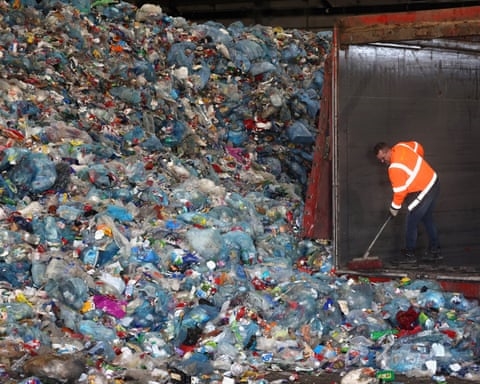
A growing number of household brands are promoting their plastic packaging as environmentally friendly, but experts warn these claims are often built on misleading accounting methods that obscure a continued reliance on fossil fuels.
Across European supermarkets, packaging for popular products frequently carries labels suggesting high recycled content. In reality, investigations indicate that the actual proportion of material recovered from waste is minimal. The majority of the plastic originates from virgin, petroleum-based sources, often supplied by major petrochemical firms.
A key tactic involves a process known as chemical recycling, or pyrolysis. This energy-intensive method breaks down plastic waste into a substance called pyrolysis oil. However, this oil is so corrosive that it can constitute, at most, only 5% of the total material fed into plastic manufacturing plants. The remaining 95% must be pure, fossil-fuel-derived naphtha to prevent damage to industrial equipment.
Despite this, the industry employs a bookkeeping method called “mass balance” to inflate recycling statistics. Under this system, if 5% pyrolysis oil is mixed with 95% virgin naphtha, the entire output of a small, designated batch can be labelled as “100% recycled.” Consequently, a product’s packaging may bear this claim without physically containing a significant amount of recycled material.
“Consumers are being misled,” states an environmental policy analyst. “A recycled content label should mean the material is actually present in the final product, not just accounted for on a spreadsheet.”
A second controversial practice involves calculating “avoided emissions.” Here, the carbon footprint of producing this so-called recycled plastic is offset by subtracting the hypothetical emissions that would have occurred if an equivalent amount of waste had been incinerated. Critics argue this creates a paper benefit that masks the actual, higher emissions from the pyrolysis and manufacturing process compared to standard virgin plastic production.
These accounting models are certified by industry-led bodies and passed from plastic producers to consumer brands, who then use them in sustainability marketing. Independent assessments suggest the net carbon savings are negligible or non-existent when the small fraction of recycled feedstock is considered.
With demand for traditional fossil fuels in decline, plastic production is viewed as a crucial future revenue stream for oil companies. Lobbying efforts have intensified in Brussels to ensure upcoming European Union regulations accommodate these mass-balance methods, potentially allowing brands to meet mandatory recycled-content targets on paper while the production of new, fossil-based plastic continues to expand.
Experts conclude that without stricter, physically verifiable standards for recycled content, corporate sustainability pledges on plastic packaging risk becoming a sophisticated form of greenwashing, leaving consumers with a false impression of environmental progress.