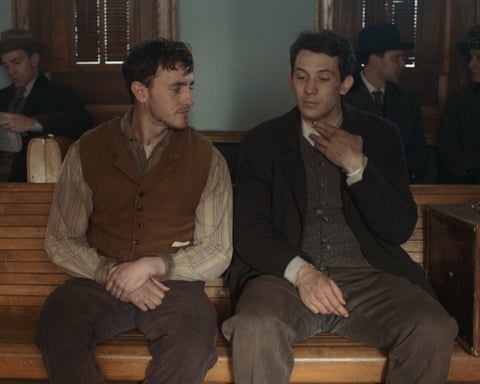
In a unique cinematic project, two acclaimed actors underwent an intensive musical transformation to portray early 20th-century folk singers. Tasked with making their performances authentic, a music coach worked closely with the stars in a small garden studio, focusing on live vocal recordings to capture the raw emotion of the era.
The film, set against the backdrop of the First World War, required its leads to embody traveling musicians who collect field recordings. The coach, drawing from a lifelong immersion in traditional folk music, guided the actors through the nuances of ballad singing. He introduced them to archival recordings from the period, emphasizing the philosophy of “getting behind the song”—a technique where the singer connects deeply with the narrative and emotion rather than focusing solely on technical perfection.
Despite their differing musical backgrounds, both actors demonstrated a rapid and profound commitment to the process. Their training sessions were characterized by intense focus and collaborative breakthroughs, including moments of shared triumph when complex harmonies were mastered. The decision to record their singing live on set was pivotal, lending an organic and immediate quality to pivotal scenes.
The coach noted that singing, unlike playing an instrument, is intimately tied to one’s internal state. His teaching method prioritized helping the actors find comfort and a natural vocal tone, moving beyond technical instruction to foster genuine emotional expression. This approach paid off, as the actors reportedly carried the songs with them beyond the studio, their enthusiasm mirroring the characters’ own journeys.
A particularly poignant layer to the production involved the incorporation of a choral arrangement by the coach’s late father, adding a personal dimension to the film’s score. For the coach, witnessing the final result was a powerful experience. He observed that the actors’ performances transcended mere mimicry, achieving a believable and moving authenticity.
The film delves into themes of love, enduring loss, and the cathartic power of music. It highlights how traditional folk ballads serve as an emotional archive, preserving the inner lives of people from another time. The hope is that this project will inspire audiences to explore the rich, poetic legacy of folk music, where songs born from work, travel, and heartache continue to resonate a century later.