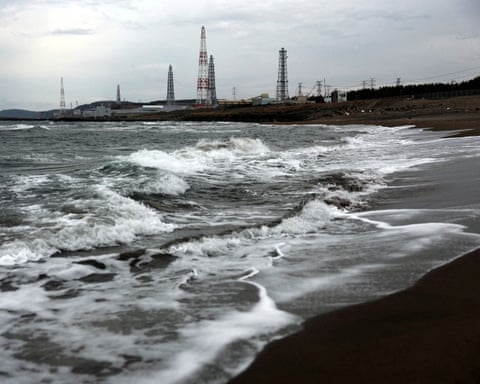
Operations at the Kashiwazaki-Kariwa nuclear facility, the world’s largest by capacity, have been suspended just one day after its long-awaited reactivation. The plant, located in Japan’s Niigata prefecture, had been offline for over a decade following the 2011 Fukushima disaster.
The halt was triggered when a monitoring system alarm sounded during the reactor startup sequence. Plant officials have stated that identifying the cause of the issue is the current priority and have indicated that a resolution is not expected imminently. The reactor has been stabilized by reinserting control rods—a safety measure used to regulate the nuclear reaction—and authorities confirm there has been no release of radioactivity.
This restart attempt marked a significant step in Japan’s revised energy strategy. The nation, which lacks natural resources, is seeking to reintegrate nuclear power to reduce dependence on imported fossil fuels, meet carbon reduction targets, and address rising electricity demands.
The facility’s return to service has been contentious. Public opinion in the surrounding region remains sharply divided, with a majority of residents reportedly opposed to the restart. Opponents have cited seismic risks, noting the plant’s location in an active fault zone and its history of damage from a major earthquake in 2007.
The suspension represents a setback for the operator and for Japan’s broader nuclear energy ambitions, underscoring the technical and societal challenges that persist more than a decade after the Fukushima accident.