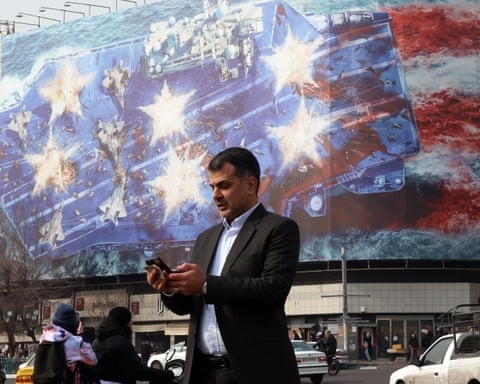
The son of Iran’s president has publicly urged authorities to lift the nationwide internet restrictions imposed during recent civil unrest, arguing that the digital blockade solves nothing and only deepens public discontent.
In a social media statement, Yousef Pezeshkian warned that suppressing the flow of information is a temporary measure that ultimately widens the rift between the state and its citizens. He contended that the visual evidence of the protests and the state’s response is inevitable, and delaying its circulation merely postpones a necessary reckoning.
The call comes amid reported divisions within the country’s leadership over the security and economic ramifications of the prolonged shutdown. While some officials advocate for restoring connectivity, others within the security apparatus resist the move.
The economic cost of the blackout is mounting daily, severely hampering commerce, financial markets, and cross-border trade. Business leaders report losses in the millions, with operations crippled by severely limited or supervised online access.
As restrictions are sporadically eased, a grim picture of the crackdown’s human toll is emerging. Reports from medical facilities and human rights monitors indicate a significant number of casualties, including minors, with thousands more reportedly detained. A prominent cleric in the southeast has described the state’s actions during the unrest as an “organized massacre.”
While government figures have blamed externally-backed agitators for the violence, some reformist voices are openly questioning the official narrative and criticizing the administration’s handling of the crisis and the economy. They argue that the scale of the events cannot be explained solely by foreign interference and point to a perceived paralysis within the government.
The internet blackout, initially presented as a temporary security measure, is now at the center of a fierce debate over control, transparency, and Iran’s future stability.